Ninety percent of Pennsylvania’s neighboring states have already legalized cannabis. Every day we delay, we lose tax revenue to New Jersey, New York, …
Author: Extroverting
-
Tainted weed sold across New York as state issues urgent recall over pesticide fears
… New York, according to the New York State Office of Cannabis Management. The Office of Cannabis Management (OCM) is recalling three lots of adult …
-

Nebraska: Omaha Tribe Approves Marijuana Legalization on Reservation Lands
 Under the newly adopted Tribal code, which took immediate effect, adults are permitted to possess up to one ounce of marijuana on tribal lands.
 The post Nebraska: Omaha Tribe Approves Marijuana Legalization on Reservation Lands appeared first on NORML.
-
US House Subcommittee Advances Bill to Prevent Cannabis Rescheduling Under DOJ
The House appropriations bill would block the Department of Justice from using funds to reschedule or deschedule cannabis.
-
Uber Eats Adds Wegmans, Gopuff and Family Dollar to SNAP-Eligible Retailer List
Bringing the roster of partner retailers that accept SNAP (Supplemental Nutrition Assistance Program) EBT payments to more than 50, Uber Eats has added Wegmans, Gopuff and Family Dollar. Uber Eats has added a SNAP icon in its app to highlight the growing selection of retailers that accept EBT payments, and is offering $0 delivery fees to EBT cardholders for their first three SNAP-eligible orders.
Payments to Uber Eats’ SNAP-eligible U.S. retailers are managed by Forage. “This expansion gives SNAP recipients access to tens of thousands of new stores — from national chains to local grocers — all through the Uber Eats app,” said Ofek Lavian, Co-founder and CEO of Forage in a statement.
“We believe that everyone deserves the convenience of delivery, and with this growing list of merchant partners we can continue to provide access to the fresh food that families and individuals need, especially those without access to reliable transportation for whom food delivery can be a lifeline,” said Hashim Amin, Head of Grocery and Retail Delivery at Uber North America in a statement
Over the past year, Uber Eats also has been adding retailers to its delivery portfolio at a remarkable clip:
- In July 2024 crafts retailer Michaels partnered with Uber Eats;
- Wegmans partnered with Uber Eats in January 2025, as did The Home Depot;
- In March 2025 Petco partnered with Uber Eats, and FreshDirect began using Uber Eats to extend its delivery reach;
- Family Dollar partnered with Uber Eats for delivery from 5,000 locations in May 2025, and the delivery platform also added 1-800-Flowers;
- In June 2025 Dick’s Sporting Goods began partnering for delivery with Uber Eats, as did Five Below; and
- Earlier this month Uber Eats added six local favorite supermarkets to its portfolio.
-
CT’s first cannabis packaging business launches; its challenges include not enough …
At Connecticut’s only dedicated cannabis packaging facility, expensive equipment stands at the ready, waiting for customers.
-
Home Values In States With Adult-Use Cannabis Significantly Outpace Home Values In Other States
… cannabis over the past 15 years significantly outpaced home values in areas where cannabis. … Rhode Island · South Carolina · South Dakota · Tennessee …
-
C-Store Retailer RaceWay Debuts Loyalty Program
RaceWay, which operates more than 240 stores in 11 states, has launched its first-ever loyalty program, RaceWay Rewards, supported by the PAR Retail platform from PAR Technology. RaceWay, which operates as a franchisor for parent company RaceTrac, is seeking to deliver personalized experiences and exclusive deals to program members.
“Our team is excited to unveil our first customer loyalty program, RaceWay Rewards, which will enable us to further strengthen customer connections while still providing our signature ‘hometown store’ identity,” said Kamran Din, Director of Revenue Growth Management at RaceWay in a statement. “Our partnership with PAR allows us to leverage personalized, data-driven technology to turn every customer engagement into an opportunity to build brand loyalty.”
RaceWay will be well-positioned to grow and enhance its loyalty offerings with the PAR Retail platform’s flexible technology, including potential future additions of new program features, integrations and partnerships.
“PAR Retail’s integrated system of solutions is engineered to scale and adapt with brands, bringing together real-time data analytics, personalized interactions and forward-thinking innovation to drive meaningful business outcomes,” said Jake Kiser, General Manager of PAR Retail in a statement. “We’re proud to partner with RaceWay to launch RaceWay Rewards and to support the program’s continued growth.”
-
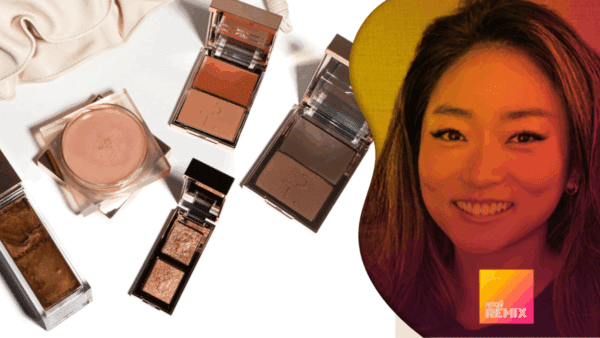
Listen Now: From Red Carpet to Cart — Crafting Digital Experiences That Convert
Makeup artist Patrick Ta is a master of beauty, but mastering retail requires a whole different set of brushes. As an online influencer himself, it’s no surprise that Ta’s beauty brand has leaned into creator partnerships and education, with pretty impressive results.
“Consumers today are a lot more informed and more intentional — they definitely do their research,” said Heidi Lim, VP of Ecommerce at Patrick Ta Beauty in this week’s episode of the Retail Remix podcast. “They’re reading reviews and they’re also seeking out brands that align with their values, so the expectations are much, much higher. And that’s a good thing. People want to feel connected to the brands that they support, so the value is beyond just a product. You don’t want just a pretty site anymore. You have to understand what matters most to your customer and meet them there.”
Lim details how Patrick Ta Beauty is doing just that by:
- Turning product education into a powerful driver of conversion and trust;
- Implementing a diversified channel mix — DTC, Sephora, TikTok Shop — to build both reach and resilience;
- Keeping creator partnerships aligned with the brand story;
- Nurturing the brand’s community of beauty lovers; and
- Leveraging data insights to drive merchandising and marketing efforts.
Plus, she takes us inside the hottest beauty trends as well as how to execute them flawlessly. Want to know what your audience is going to be talking about this summer and how to connect with them online? Then check out the latest episode of Retail Remix.
-
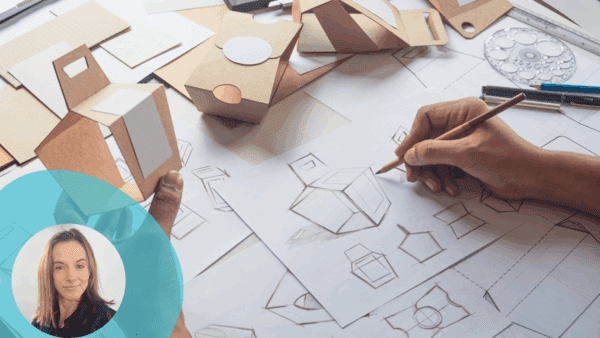
Function and Form: Design with the End User in Mind
When designing packaging, it’s easy to get carried away with the creative. It’s an involved process, and you can occasionally forget who you’re really designing for.
We all have personal tastes when it comes to what we think looks good and what we’d like to see on the shelf. We all have that creative itch to scratch, and we all want to produce designs our peers adore.
So it’s easy to get sucked into the on-shelf beauty parade, competing to have the design that is the most aesthetically pleasing, the most creative or the most disruptive. The problem is that it clouds our view of the most important person in the entire design process: the end consumer.
Shoppers spend about three seconds deciding which product they’re going to put into their baskets. In that time, brands need to communicate the answers to three questions: what is it, what does it do, and why do I need it?
Of course there are shortcuts to these three questions. If you are looking at the yogurt fixture, chances are you know what the product is and what it does already. Context is half the battle, but making assumptions and breaching too many of the category norms just to be clever can be risky.
That’s the harsh reality of the shelf. If your packaging is confusing or vague and doesn’t answer these questions, then it hasn’t been designed for the consumer. It doesn’t matter how pretty it is – people aren’t going to buy it if they don’t understand it.
Get Out of the Studio
We all bring personal bias to the table, especially when we know a category well. I have spent many years working on pet care brands and I’m a pet owner myself, but I have to be mindful of making leaps and assumptions. Just because something appeals to me doesn’t mean it’s right for everyone else.
This is why it is so crucial to identify the real and most valuable target audience in any project, and to keep them in mind throughout.
Strangely enough, it’s sometimes easier to stand in the consumer’s shoes when you are working in a category you don’t buy. Years ago, I asked a (male) brand manager in sanitary care if he found it hard to develop the products and their communications. I was unclear as to how he could relate to the user.
But he simply said: “I research it properly. I listen, I speak to the users, I don’t make assumptions because I can’t.” His need to always consult the consumer meant that they were top of mind constantly and he was never in danger of ignoring them.
And that’s exactly it.
To craft effective packaging, designers should research their target customer extensively. Desk research can help with that, but it’s no good sitting behind a Mac looking at what’s pretty online. To truly get to know your consumer, you have to fully immerse yourself in their world.
We are currently working with Ringtons , a doorstep delivery service with a mostly elderly customer base in the North East of the UK. Before we started the project we sought out the customers, learned what mattered to them and saw firsthand how they interacted with the products.
We found things we’d never have picked up from a desk: people struggling to tell one product from another because the navigation wasn’t obvious, finding the text hard to read or packs awkward to open. Those small details enabled us to create new packaging that was not only attractive but made the product easier to use and understand.
None of this is rocket science. It’s common sense that you need to understand the buyer of a product before you design for them. But plenty of designers do get carried away.
Packaging is Not the Final Stage
As a final point, packaging design shouldn’t be the final flourish at the end of the brand process. It needs to be connected to the wider brand strategy, to the business objectives, so designers should be involved right at the start of a project.
In FMCG, your packs have to work hard. They are a window into your brand. If you have a full comms plan, TV and six-sheets, but your pack doesn’t do the job on shelf, you are dropping your consumers at the last hurdle.
Consumers don’t see brands in isolation, and yes, they are bombarded with messages. But at the end of the day this isn’t about what other designers think. It’s not about award juries. It’s about whether your customer sees the product, understands it and wants it in their life.
Great design doesn’t just look good. It works hard. It gets products into baskets. If it doesn’t do that, what’s the point?
Jess Kaye is the Business Director of CHILLI, the specialist design and packaging team within IMA. She is responsible for running the CHILLI division, working primarily with household retail brands on everything from insight and strategy through to brand creation, development and revolution. After cutting her teeth in-house at Britvic, Kaye has worked with some of the best at Nestle, Mars and Taylors of Harrogate. Her strength in branding and extensive comms experience saw her move to an agency growth role, championing FMCG. Taking the reins at CHILLI was the natural next step. She is now growing a talented and specialist design team within IMA in what she believes is the best of both worlds – a focused specialist team with the support of wider integrated resources at IMA.