Author: Extroverting

  • Bloomingdale’s Outfits ‘Clueless’-Inspired Closet at New Hotel Experience

    Bloomingdale’s Outfits ‘Clueless’-Inspired Closet at New Hotel Experience

    Luxury LA hotel L’Ermitage Beverly Hills has partnered with Bloomingdale’s Century City, the Beverly Hills Conference & Visitors Bureau and Paramount Pictures to create “The Clueless Suite” — an over-the-top hotel experience inspired by the iconic film, which celebrates its 30th anniversary this year.

    One of the hotel’s signature 750-square-foot residential-style suites has been transformed into a Clueless fantasy, evoking the feel of a modern-day Beverly Hills mansion with plenty of Easter eggs for superfans, access to a white Jeep Wrangler convertible for cruising the town and, of course, Cher’s closet.

    The suite’s transformed walk-in closet will feature rotating fashions from Bloomingdale’s, curated by Clueless costume designer Mona May along with in-house stylists. Guests fill out a pre-arrival style quiz to personalize their looks, and all outfits are available to shop via QR code.

    Guests also will get a $100 Bloomingdale’s gift card, a VIP in-store styling appointment with Bloomingdale’s stylists, a Dior Beauty glam sesh and free membership to Fitted, the official virtual Clueless closet app of the anniversary campaign.

    “The Clueless Suite is our tribute to a story that redefined what it meant to be young, stylish and unapologetically bold in Beverly Hills,” said Frédéric Zemmour, General Manager of L’Ermitage Beverly Hills in a statement. “We are thrilled to partner with Paramount, Bloomingdale’s and Mona May to bring that energy to life, with a nod to the past and a wink to the future.”

    The Clueless Suite is available for bookings from July 12 through Sept. 1, starting at $1,995 per night with a two-night minimum stay.

    Other Guests can also Get a Clueless Upgrade for Their Stay

    L’Ermitage guests staying in other suites also can opt for “The Cher’mitage Experience,” a signature add-on that brings the best of Cher’s totally sporadic shopping spree at Bloomingdale’s to life. Thepackage includes Clueless-themed turn-down treats, a Polaroid camera, movie streaming and a complimentary sunset toast at the new rooftop lounge Poza. Bloomingdale’s perks include a $100 gift card, a personalized in-store styling appointment, a welcome mocktail from 59th & Lex (available in-store only) and a makeup consultation or spa treatment with Dior Beauty. The Cher’mitage Experience must be booked at least two days in advance of arrival and coordinated through the hotel concierge, with rates starting at $995/night.

    And the fun will continue for everyone at Bloomingdale’s Century City on July 26, with a public event featuring throwback DJ sets, L’Ermitage-curated bites, a vintage photo booth and more ’90s fabulousness.

  • Mall of America Deploys AI-Powered Video Analytics to Boost Efficiency and Security

    Mall of America Deploys AI-Powered Video Analytics to Boost Efficiency and Security

    With 5.6 million square feet housing 500+ retailers and attracting more than 32 million visitors annually, the Mall of America (MOA) requires careful planning to support overall security — and its parking operations specifically. The shopping center has expanded its partnership with Axis Communications to deploy car-counting video analytics across more than a dozen locations, enabling more informed decision-making around employee scheduling and streamlining transportation logistics for the 300+ events hosted each year.

    Following an initial test of the technology, MOA quickly expanded the implementation, and the car-counting data now drives macro-level decisions about mall hours and event planning as well as micro-level scheduling for vendors and staff.

    “We needed technology that could keep pace with our evolving needs and make sure our security team could focus on the highest-priority tasks,” said Aaron Nielsen, VP of Information Technology at the Mall of America in a statement. “Our previous solution struggled with the unpredictable Midwestern weather, including snow, rain and cold, all impacting accuracy and reliability.

    “Car counting is one of the most important operational metrics we have,” Nielsen added. “Implementing a system that delivers accurate data allows us to quickly scale from one location to more than a dozen additional locations throughout the mall, providing efficiency and invaluable information for our team.”

    With the expansion of its video analytics, MOA now can:

    • Deploy solutions even in challenging locations: MOA first tested an Axis camera on a light pole isolated from the building and, despite difficult access to power and data, the trial system proved over 99% accurate;
    • Drive decisions with analytics: AI-enabled line-crossing analytics deployed at the property’s edges is proving especially useful in locations where the mall entrance meets busy intersections, because the technology can draw precise distinctions between a car entering the mall versus one that’s merely passing by;
    • Improve overall security: Cameras and Axis network speakers installed in restricted areas can detect and deter unauthorized access in real time, with alerts immediately sent to the MOA central dispatch center; and
    • Prioritize employee safety: Unpredictable Minnesota winters add challenges to keeping employees and customers safe. With the new system, adjustments are intuitive, so what previously required ladders, lifts and multiple people can now be accomplished from a desktop. Non-technical team members can review audits, make changes and immediately analyze results from a safe location.

    In October 2023 MOA added body cams and enhanced security cameras from Axis Communications. Looking ahead, the mall is exploring advanced capabilities such as people counting and license plate recognition, as well as leveraging analytics to better understand visitor trends such as distinguishing hotel guests from shopping center visitors.

  • This City is the “Cannabis Capital” of Massachusetts – Live 95.9

    Small but mighty Rhode Island has nearly 400 miles of shoreline along Narragansett Bay—an impressive feat considering the state sits on just 1,214 …

  • Analysis: Adult-Use Cannabis States Experience Significantly Higher Home Value Growth

    Analysis: Adult-Use Cannabis States Experience Significantly Higher Home Value Growth

    cannabis home valuescannabis home values“Cannabis legalization is a proven economic driver. Regulated markets create jobs, disrupt the underground marketplace, and provide for new tax revenues that are redirected back into the local community — resulting in greater economic growth and prosperity, in addition to safer communities.”

    The post Analysis: Adult-Use Cannabis States Experience Significantly Higher Home Value Growth appeared first on NORML.

  • Cannabis Reform Group MPP Names Adam J. Smith Executive Director

    Marijuana Policy Project welcomed the 30-year drug policy reform veteran to help end cannabis prohibition and advance sensible regulations in the U.S.

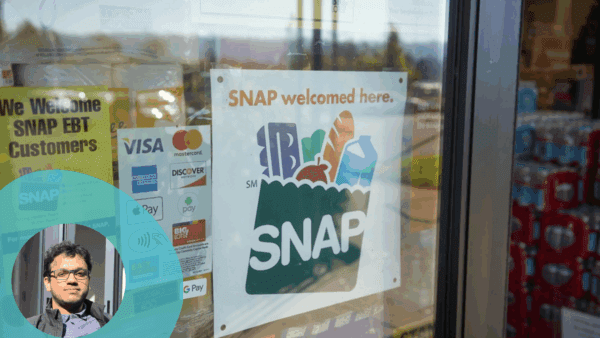
  • Bytes to Bites: Lessons from Building the Nation’s Largest Online EBT System

    Bytes to Bites: Lessons from Building the Nation’s Largest Online EBT System

    March 2020 brought an unnerving tide of news reports, a growing sense of unease, and the undeniable arrival of the COVID-19 pandemic. As cities locked down and uncertainty swept the nation, my familiar world of software development felt increasingly distant from the stark realities unfolding outside. Millions found themselves confined, facing anxieties not just about a novel virus but about basic survival.

    For a particularly vulnerable group – recipients of the Supplemental Nutrition Assistance Program (SNAP), commonly known as EBT users – the pandemic presented an agonizing dilemma. Primarily reliant on in-person grocery shopping to use their benefits, they now faced an impossible choice: risk exposure to a deadly virus in crowded stores or struggle to access essential food for their families. The systems designed for one reality were instantly fractured by the demands of another, exposing a critical gap in the nation’s food access infrastructure.

    The scale of this gap quickly became terrifyingly clear. What few outside the sphere of government benefits and payment processing realized was the extremely limited scope of online EBT acceptance pre-pandemic. It wasn’t merely uncommon; it was practically non-existent, confined to a small, obscure USDA pilot program operating in just a handful of zip codes. The digital rails needed to carry these essential benefits into the online grocery ecosystem simply had not been laid on any meaningful scale.

    Against this backdrop, my team and I received a mandate that felt staggering in its ambition and urgency: build a nationwide EBT acceptance system for Instacart, and do it in four months. A project that, under normal circumstances, would represent a multi-year undertaking involving intricate technical development, complex regulatory navigation and extensive partner integration was now an emergency response measure. The timeline wasn’t just accelerated; it was compressed almost beyond recognition.

    This wasn’t merely a technical challenge; it was a race against a rapidly escalating human crisis. As lockdowns continued and economic disruption spread, food insecurity surged across America. The code we were tasked with writing, the systems we needed to architect, represented more than just a new feature; it was a potential lifeline for millions struggling to feed their families safely.

    The months that followed were a crucible. Our team worked relentlessly, often around the clock, navigating the added complexities of remote collaboration during a global health crisis. The task demanded intense coordination not only internally but with a vast network of external partners: government agencies at both federal and state levels, payment processors grappling with new requirements and grocery retailers, many of which had never seriously considered integrating EBT payments into their digital operations.

    The regulatory landscape alone was a formidable obstacle. SNAP/EBT systems were fundamentally designed for the physical world of swipe cards and PIN pads, not the fluid environment of ecommerce. Each state had its own distinct implementation requirements and approval processes, creating a complex patchwork of rules that had to be meticulously understood and integrated. Navigating this labyrinthine world of government benefit regulations while simultaneously building a secure and user-friendly online system became my all-consuming focus.

    Amidst the blur of development sprints and regulatory meetings, one moment stands out: the night we pushed our very first EBT transaction to production. I vividly recall the anticipation and pressure culminating in that single order, placed by a family in South Carolina. It represented far more than a successful deployment; it symbolized months of frantic effort, countless hurdles overcome and technical innovation born from sheer necessity. It was a beacon of hope, proof that the impossible might just be achievable.

    Following that initial breakthrough, the pace did not slacken. As the pandemic continued its relentless march through 2020 and 2021, we rapidly scaled the system. What began as a pilot expanded to hundreds of retailers across dozens of states by early 2022. Systems that typically required years of careful planning, development, testing and deployment were being built and rolled out in a matter of weeks, driven by the persistent, urgent need.

    Amidst the whirlwind of building and scaling, a routine analysis of user data delivered a jolt. Late one night, while examining checkout flows, I noticed a troubling pattern: a significant number of visitors originating from lower-income zip codes were adding groceries to their carts, proceeding to checkout, and then abruptly abandoning the process. It wasn’t just random attrition; it was a distinct signal concentrated in areas where EBT usage was likely higher.

    This data point sparked a critical hypothesis in my mind: these weren’t users simply changing their minds. They were likely EBT recipients, navigating the online store, selecting their needed groceries, only to discover at the final, crucial step that their primary means of payment wasn’t accepted online. The data wasn’t just indicating friction; it was revealing a moment of profound disappointment and likely frustration for users who had invested time and hope in the process.

    This realization served as a powerful wake-up call for me and the team. It underscored that simply enabling EBT transactions wasn’t sufficient. The system needed to be designed with a deeper understanding of the EBT user’s journey, anticipating their needs and potential pain points before they hit a dead end.

    Code as Compassion: Engineering the Foundation

    The insight gleaned from the cart abandonment data became a driving force behind the next phase of development. It wasn’t enough to simply process EBT; the system needed to guide and support users from the moment they arrived. This led me back into the complexities of benefit regulations and spurred the development of foundational features designed explicitly to pre-empt the frustration revealed by the data.

    First came an address-based detection system I built. By leveraging geographic data, the platform could intelligently suggest EBT payment options upfront to users in areas with high benefit usage. This simple, proactive step aimed to prevent the late-stage disappointment, informing users early in their shopping journey that their benefits could potentially be used. Crucially, this feature included user controls, allowing individuals to manage this suggestion based on their preference.

    Next, our team tackled the enormous complexity of SNAP eligibility rules. We engineered an eligibility engine capable of evaluating Instacart’s entire, vast catalog of items in real time. This system determined precisely which products qualified for purchase with EBT funds, providing clarity to users as they shopped and preventing confusion at checkout.

    The payment flow itself presented the most significant technical hurdle. EBT users often need to pay for groceries (EBT-eligible) and other items (like fees or non-food essentials) in a single order. I architected a sophisticated split-tender functionality. This system could seamlessly process multiple payment methods within one transaction, automatically applying EBT funds to eligible items first and smoothly transitioning any remaining balance to a secondary payment method like a credit or debit card, all without causing user confusion. These technical solutions, born from that “wake-up call” data, were fundamentally about removing barriers and creating a more intuitive, supportive path for EBT users.

    Beyond Transactions: Engineering for Dignity

    As the system evolved, testing with actual EBT recipients provided another layer of crucial understanding. Functionality was vital, but the experience of using the system carried its own weight. Feedback revealed that some users felt a sense of stigma or discomfort when using their benefits, even online. This feedback sparked a conscious effort within our team to embed privacy and dignity directly into the platform’s design.

    Recognizing the potential for unconscious bias, we built privacy protections into the shopper application used by fulfillment staff. The system was designed to conceal the customer’s specific payment method details from the Instacart shopper picking and packing the order. This measure aimed to ensure that interactions, especially around item replacements or service issues, were handled without prejudice based on payment type.

    For customers choosing grocery pickup, another subtle but significant feature was implemented. I modified label-generation algorithms to omit any identifiers that might indicate EBT payment on the order labels. This allowed customers to collect their groceries discreetly, preserving their privacy and dignity during the handover process.

    Our commitment to user well-being extended to more proactive, data-driven features. Analyzing millions of transactions revealed distinct, state-specific patterns of when EBT benefits were disbursed. This led to the development of what I considered a landmark achievement: a benefits cycle optimization engine. This system allowed us to intelligently time promotions and adjust inventory predictions, ensuring greater product availability and potentially more impactful savings for customers precisely when they received their monthly benefits.

    Furthermore, we built custom recommendation engines. These suggested affordable, nutritious alternatives if a user’s chosen item was out of stock, prioritizing EBT-eligible options when appropriate. Building on this, intelligent bundling logic suggested complementary non-food essentials (like cleaning supplies or personal care items) alongside EBT-eligible groceries, sometimes paired with strategic discounts to help customers maximize their overall budget.

    These features represented a shift beyond merely facilitating transactions to actively supporting the user’s needs, grounded in the principle that technology should not only function efficiently but also operate with respect and consideration for the user’s circumstances.

    The Ripple Effect: Measuring What Matters

    The impact of this concerted effort, born in crisis and refined through empathy, was profound. Within 18 months of our first transaction, Instacart’s EBT systems were processing orders across more than 44 states and integrated with hundreds of retailers. The business metrics validated our approach: EBT customers demonstrated higher retention rates than traditional customers, indicating the service was meeting a critical, ongoing need and fostering loyalty. Furthermore, this customer segment contributed significantly to the business, accounting for approximately 10% of company revenue.

    This data powerfully illustrated that designing for inclusion and serving vulnerable populations was not merely an act of corporate social responsibility, but a strategically sound decision yielding tangible business value. The high retention rates suggested that by meeting a fundamental need previously unaddressed in the digital space, we had cultivated a loyal and appreciative customer base. The perceived dichotomy between “doing good” and “doing well” dissolved; the social impact and business success were demonstrably intertwined.

    Yet the numbers told only part of the story. The true measure of success, for me and the team, often arrived not in spreadsheets, but in emails. Messages from customers – a grandmother in rural Wyoming expressing gratitude for groceries delivered during a blizzard, a disabled veteran appreciating the ability to shop with dignity without facing physical store limitations – these were the testaments that resonated most deeply. They painted a vivid picture of the real-world difference our system was making in people’s lives.

    The intense journey of building Instacart’s EBT system under extreme pressure yielded invaluable lessons, extending far beyond the specific context of online grocery or benefit payments.

    Practical Tips

    • See the need before it hits a wall: Use geographic and user data proactively to anticipate needs and suggest relevant options early in the user journey.
    • Align with users’ realities: Understand external rhythms (like benefit disbursement) that shape user behavior and design systems that actively support them.
    • Curate for accessibility: Leverage digital flexibility to create tailored experiences (like EBT-focused aisles) addressing specific user needs.
    • Design for dignity, not just function: Recognize and actively mitigate potential social stigma through thoughtful design, ensuring a respectful and safe experience.
    • Make complexity invisible: Engineer seamless solutions for complex requirements (like multi-tender payments) to minimize user burden and confusion.
    • Amplify impact holistically: Think beyond the core transaction; use recommendations and strategic offers to help users maximize resources.
    • Ensure equitable access: Prioritize performance on diverse devices and network conditions, recognizing reliance on older/less powerful tech.
    • Protect the vulnerable: Implement specialized, compliant security and fraud prevention tailored to unique risks, balancing protection with usability, like building timed sessions that automatically log out on public computers.

    Mridul Singhai is a software engineer with over 10 years of experience who built Instacart‘s first-of-its-kind online EBT system between 2020 and 2024. He worked directly with USDA on policy and design standards. Currently a software engineer at X, Singhai brings strong technical expertise and strategic insights to create socially responsible technologies that deliver business value.

  • Pure Sunfarms Publishes Unique Cannabis Potency Research in Scientific Reports

    The study highlights natural variability of THC potency in cannabis plants and supports the call for science-based labeling.

  • WATCH: Colorado Springs mayor vetoes marijuana ordinance, citing budget shortfall

    Ramona Avenue closed at South Nevada until mid-August for upgrades. Updated: 2 hours ago. A month-long road project kicks off Monday on Colorado …

  • Inside the Bob’s Discount Furniture Reality Show: Couples Clash to Create Marketing Magic

    Inside the Bob’s Discount Furniture Reality Show: Couples Clash to Create Marketing Magic

    Of course you love your partner. But do you trust their taste?

    This question — familiar to anyone who has had a screaming match with their significant other in a furniture store — is at the heart of Till Décor Do Us Part, a new six-episode social-first reality series produced by Bob’s Discount Furniture.

    The show, which debuted July 10, showcases one partner shopping for furniture at a Bob’s store in Yonkers, N.Y., while the other, along with host Gabby Bryan, watches and comments in real time from the sidelines. (Viewers also can shop for the furniture that the couples spar over at the Till Décor Do Us Part page on the Bob’s website.)

    The patented reality show twist? Each couple has different, sometimes clashing tastes, but each shopping partner is tasked with creating the non-shopping partner’s dream room. Among the couples are a new girlfriend taking on a bachelor pad that currently has little more than a TV and a couch; a sentimental mamma’s boy watching his partner take over his childhood home; and a jiu-jitsu bro going head-to-head with his minimalist girlfriend. Let the hijinks commence…

    But behind those hijinks is some solid marketing strategy. Retail TouchPoints got the inside scoop from Bob’s Chief Marketing Officer Steve Nesle.

    The Target Audience: Content-Hungry Consumers

    “The catalyst for this idea came out of necessity,” said Nesle in an interview with Retail TouchPoints. “Everyone isn’t rushing out there to consume advertising content, but they are rushing out to consume content. In a challenging macroeconomic environment, you can do one of two things: circle the wagons, or lean into it. We had to lean in.”

    Each episode will drop on successive Thursdays, accessible via Bob’s new @TillDecorDoUsPart handle across TikTok, Meta and YouTube. Both before and after the drops Bob’s will continue to publish content to the channels related to that couple, said Nesle: “We’re building out the cinematic universe of these couples above and beyond the actual episode.”

    To that end, Till Décor Do Us Part will feature an always-on TikTok and Instagram content strategy with elements such as:

    • Find the Bob: A Where’s Waldo-style furniture hunt;
    • Keep It or Chuck It, where host Gabby Bryan decides the fate of questionable décor;
    • Furniture Eulogies: Heartfelt sendoffs for “interesting” (note the quote marks) design choices; and
    • Couch Therapy, whereBryan helps couples compromise, one loveseat at a time.

    Leveraging the Inherent Tension of Conflicting Design Priorities

    Bob’s Discount Furniture developed the show via a “relatively quick process,” said Nesle, noting that some hurdles are inherent in the format. “Unlike advertising production where everything is carefully scripted, with all the i’s dotted and the t’s crossed, this is unscripted reality,” he noted. “Our job is to create all the conditions to let life happen, and then we’re there with the cameras.

    Asked if he was concerned that the conflicts between the couples might balloon into something irreconcilable, Nesle wryly commented that “it would have been a bad strategy to create the conditions that would lead to a bunch of breakups. There’s a lot of tension when it comes to something as personal as design, and we recognized early on that that was a natural tension — we wouldn’t need to look that far to find it.”

    Bob’s internal production company worked with creative agency Gale and media agency Horizon Next to develop and produce the series: “It’s out of the box, and that’s in the Bob’s DNA,” said Nesle. “This is yet another organic and authentic way to tell our story — to bring people into the brand and expose them to our assortment and our in-store experience.”

    In May 2025 Bob’s announced it would open 20 new stores this year and expand into the Southeast U.S. for the first time. The retailer is nearing the 200-store milestone.

  • MarTech Interview with Haley Trost, Group Product Marketing Manager @ Braze

    MarTech Interview with Haley Trost, Group Product Marketing Manager @ Braze

    !function(d,s,id){var js,fjs=d.getElementsByTagName(s)[0],p=/^http:/.test(d.location)?’http’:’https’;if(!d.getElementById(id)){js=d.createElement(s);js.id=id;js.src=p+’://platform.twitter.com/widgets.js’;fjs.parentNode.insertBefore(js,fjs);}}(document, ‘script’, ‘twitter-wjs’);

    What does it take to truly get personalization right in the modern marketing ecosystem? Haley Trost, Group Product Marketing Manager at Braze weighs in with some pointers in this MarTech Interview by MarTech Series:

    _________

    Hi Haley, tell us more about your time at Braze and journey in Martech?

    I’ve been on the Braze product marketing team for nearly five years, working across a wide range of product areas, but today, I focus specifically on marketing our core email, app, and web channels. I started my career at a startup that I often describe as “Braze-lite”: a single-channel SMS platform built for a single industry (education). That early experience sparked my interest in how transformative a little nudge can be, whether it’s a text that inspires a student to enroll in college or a product recommendation that helps you find the perfect Father’s Day gift.

    What’s kept me excited about working in martech is how often I see our work come to life in the wild. I’m a customer of many brands that use Braze, so it’s always fascinating and rewarding to watch how our platform powers the moments I experience personally. Just last night I redeemed a loyalty promo when ordering dinner, and it was oddly gratifying to tell my husband, “That was a Braze Content Card!”

    Can you share more about Braze’s latest enhancements that can enable marketers to drive better personalization practices?

    Personalization is often treated like a switch: you either have it or you don’t. In reality, personalization is a spectrum. At one end, it’s a first name in a subject line. Technically personalized? Sure. But meaningful? Not really.

    Today’s consumers expect more. They want brands to understand their values, anticipate their needs, and engage in ways that feel personal, not programmed or purely transactional. It’s the difference between “How did they know that?” and “That’s exactly what I needed.”

    That shift requires two things: trustworthy data and the ability to act on real-time signals. Most brands have plenty of data. The challenge is using it responsibly, transparently, and in a way that adds genuine value. Without the right context, even the best-intentioned message can become a distraction.

    Braze has always believed that trust is earned. Over a decade ago, before “first-party data” became a buzzword, we built our platform on the idea that customer engagement should feel more like a relationship—you listen, you show up when needed, and you say the right thing.

    We just launched three new solutions in this area, including Canvas Context, which addresses one of the biggest scaling challenges marketers face: how do you create unique experiences for every customer without building infinite campaigns? It works by letting marketers add temporary, situation-specific variables (like flight time or order date) to a journey to personalize timing, logic, and messaging to each customer, turning a single Canvas into virtually infinite possible customer journeys.

    We also built RCS and Banners to expand where these dynamic, meaningful interactions can actually happen. Whether they’re browsing your website, exploring your app, or scrolling through their messages, customers expect marketers to keep up. RCS is the next generation of SMS, with richer, more interactive experiences delivered within the native Messages app, while Banners sit naturally within the app or website, updating with personalized content for each visitor without feeling like they’re competing for attention.

    In our data-saturated landscape, brands must grasp their customers’ immediate context and needs. Success isn’t about visibility alone – it’s about delivering the perfect message at the precise moment that creates meaningful connections with the people they’re engaging.

    What challenges do modern marketers face when it comes to scaling personalized marketing campaigns?

    The biggest challenge isn’t lack of data, but lack of data intelligence. Marketers are drowning in information but struggling to turn it into meaningful actions across channels. Building unique experiences for every customer sounds great in theory, but with millions of customers across multiple channels, the complexity becomes overwhelming and it simply doesn’t scale. Marketers need tools that can interpret and act on real-time cues.

    Marketers are also reimagining personalization in a first-party data world, getting smarter about the data they have rather than relying on third-party insights. When customers willingly share their information, it creates a foundation for helpful personalization that doesn’t feel invasive. To build that trust, marketers must respect consent and turn each volunteered detail into immediate, visible value.

    Marketing Technology News: Martech Interview with Meena Ganesh, Senior Product Marketing Manager @ Box AI

    How can modern marketers drive impacting and meaningful customer engagements in today’s multi-channel environment?

    The companies doing this well understand that each channel serves different purposes for the same person. Customers don’t think in channels, they think in journeys, where each touchpoint should feel like the same conversation picking up exactly where the last one left off. A relevant push notification should reinforce what they just saw on your site. An email follow-up should align with their in-app behavior.

    The key is real-time decisioning at the moment of data ingestion, so when a customer takes an action—makes a purchase, opens a message, browses a product—your platform instantly interprets that signal, determines the optimal response, and delivers it on the most relevant touchpoint. That means you also need your data and your channels to coexist in the same platform, so you can use interactions happening on one channel to inform actions on another.

    Can you highlight a little about some brands across the world that have got the personalization game right?

    The brands getting personalization right aren’t guessing what customers want, they’re reading the signals and responding accordingly. Instead of just segmenting by age or location, they’re paying attention to how customers engage, when they make purchases, and where they are in their journey.

    Max is a good example – their personalization framework balances what they implicitly know about a viewer with what the viewer explicitly shares with them. For example, Max might recommend a certain movie to a viewer based on what that viewer watched recently. The viewer is indirectly telling Max what type of content they’re interested in.

    But when preferences aren’t clear – they directly ask! Their fun in-app quizzes, like “Which Hogwarts House are you in?”, double as engagement and smart first-party data collection. This blended approach builds trust, fuels better recommendations, and sets the stage for more personal, high-performing campaigns.

    Another great example is Kayo Sports, which delivers 1:1 personalized experiences with AI determining the optimal message, creative, channel, timing, frequency, and promotions for each individual subscriber. Their sophisticated AI-powered personalization system has delivered a 14% increase in customers reactivating within 12 months of churning, an 8% increase in average annual occupancy, and a 105% increase in cross-selling.

    These brands understand that timing and context matter more than knowing someone’s zip code. They’re responding to actual behavior rather than making assumptions based on broad categories.

    How will AI impact the overall marketing game and how will future marketers be able to use AI effectively to drive deeper personalization and relevance?

    AI is reshaping the personalization landscape by making true 1:1 experiences at scale finally possible. It empowers marketers to engage with each customer as an individual, tailoring content, timing, and messages based on real-time signals. We see AI as a powerful enabler of this shift. It takes on the heavy lifting of analyzing data, identifying patterns, and optimizing journeys, so that marketers can focus on strategy, creativity, and human connection.

    The exciting part is predictive personalization, using AI to anticipate what customers need next, not just responding to past behavior. But as AI gets more sophisticated and accessible, brands need to be thoughtful about privacy and consent. The goal isn’t using AI to send more messages, it’s using data to be more strategic about when and how you reach them.

    A few ways in which your own team at Braze does this for now?

    One of the sort of meta things about being on the marketing team at Braze is that we are marketers using Braze to market Braze to marketers. We actually use our own platform to keep our customers engaged. First, we combine what we know about an account, like business size and industry, with user-level signals, like feature usage or content engagement, to deliver targeted recommendations at just the right moment. For example, we might send an email with ideas for what to do next right after a user launches their first campaign.

    We also blend implicit signals with explicit preferences. We collect preferences from users directly in the dashboard, so we know if they are looking for product tips, learning resources, webinars, etc and can proactively share new resources related to those preferences with them on a regular basis.

    Five takeaways you’d leave everyone in marketing and martech with before we wrap up?

    • Personalization is a spectrum, not a switch. Don’t settle for just using basic data like names and purchase history while missing the deeper signals about timing and context. Push toward anticipating needs before customers even realize them and delivering real value in those moments.
    • Think of journeys, not channels. Customers don’t want to be bombarded on every application, they want consistent, contextually relevant experiences that feel like one continuous conversation, regardless of where they interact with your brand.
    • Real-time responsiveness beats static segmentation. The future of personalization is about listening in the moment and anticipating accordingly, not assuming what someone might want based on demographic profiles.
    • Scale requires smart architecture. You can’t build personalized experiences for millions of customers with manual processes. Invest in platforms and technologies that can process data and make engagement decisions at the speed of customer behavior.
    • Let AI do the grunt work so you can get creative. AI handles data crunching and optimization, but it can’t write compelling stories or understand what actually moves people. Use it to free up your brain for the stuff that matters—the creative thinking and storytelling that makes brands stick.

    Marketing Technology News: Cross-Department Collaboration with Marketing Workflow Automation: Enhancing Alignment Between Sales, Customer Service, and Marketing Teams

    Braze is a leading customer engagement platform that empowers brands to Be Absolutely Engaging.™

    Haley Trost, is Group Product Marketing Manager at Braze

    !function(d,s,id){var js,fjs=d.getElementsByTagName(s)[0],p=/^http:/.test(d.location)?’http’:’https’;if(!d.getElementById(id)){js=d.createElement(s);js.id=id;js.src=p+’://platform.twitter.com/widgets.js’;fjs.parentNode.insertBefore(js,fjs);}}(document, ‘script’, ‘twitter-wjs’);