Tag: Mean Business

  • How Martech Echoes Your Brand Voice and Revives the Joy of Marketing

    How Martech Echoes Your Brand Voice and Revives the Joy of Marketing

    Today’s marketers face a curious contradiction. Despite having access to more sophisticated martech more than ever before, many report feeling less creatively fulfilled. The promise of automation was to free up time for strategic thinking, yet marketers often find themselves caught in endless tool management cycles.

    The typical marketing team of today now manages between 20-120 different martech tools daily. Each platform demands attention, requires maintenance, and generates its own stream of notifications and updates. What began as liberation has, for many, become a new form of creative constraint—one where technical management overshadows creative expression.

    Brand Voice in the Machine Age – Teaching Technology Your Tone

    The most powerful martech stacks assimilate your brand’s unique character and replicate it across channels. This capability marks the transition from mechanical automation to intelligent amplification of your marketing voice.

    Teaching martech to sound like your brand involves several critical elements:

    • Training AI systems on your brand guidelines, tone documents, and historical content
    • Creating comprehensive voice templates that capture linguistic nuances
    • Developing content approval workflows that maintain brand integrity
    • Implementing feedback loops to refine voice alignment over time
    • Setting clear parameters for where technology can and cannot represent your brand

    When properly configured, these systems don’t replace your brand voice—they extend its reach while preserving its authenticity.

    The Divided Soul of Marketing | Reconnecting with Creative Purpose

    Marketing was never meant to be about managing software platforms or configuring automation rules. The profession originated from the human desire to connect products with people who need them, to tell compelling stories, and to create emotional resonance between brands and customers.

    The relentless march of martech has, for many, obscured this fundamental purpose. This disconnection manifests in concerning ways:

    • Rising burnout rates among marketing professionals
    • Declining originality in campaign concepts
    • Increasing similarity between competing brand messages
    • Reduced job satisfaction despite technological advancement
    • Growing dependence on templates rather than fresh thinking

    Marketing Technology News: MarTech Interview with Abhay Singhal, Co-Founder @ InMobi & CEO – InMobi Advertising

    Teaching Machines to Amplify, Not Replace: The Human-Tech Partnership

    The most effective martech implementations succeed not by replacing human creativity but by systematically removing barriers to its expression. Forward-thinking brands are reconfiguring their technology stacks to serve as creative enablers rather than mere process automators.

    This shift requires a fundamental rethinking of how martech is deployed and measured. Success metrics must expand beyond efficiency to include creative empowerment indicators. The question becomes not just “How much time did we save?” but “What did our team do with that saved time?”

    Modern martech can facilitate creative work by:

    • Automating repetitive tasks that drain creative energy
    • Providing AI-assisted ideation to overcome creative blocks
    • Managing content distribution mechanics to free up creative thinking time
    • Gathering and interpreting performance data to inform creative decisions
    • Maintaining brand consistency across channels to build cumulative impact

    Martech That Inspires Rather Than Constrains

    Specific martech tools are emerging as particularly valuable for marketers seeking to reconnect with their creative core. These platforms prioritize intuitive interfaces, minimize technical overhead, and actively support creative processes.

    Content intelligence platforms now offer real-time insights into how audiences respond to different creative approaches, helping marketers refine messaging with confidence. AI-driven content creation tools have evolved from producing generic text to generating truly original concepts aligned with brand voice. Customer journey orchestration systems handle complex delivery logistics while marketers focus on crafting compelling narrative arcs.

    The most liberating martech tools share common characteristics:

    • They handle technical complexity without requiring technical expertise
    • Their interfaces are designed for creative professionals, not engineers
    • They provide actionable insights without overwhelming data overload
    • They integrate seamlessly with existing workflows rather than disrupting them
    • They offer gradients of automation, allowing human involvement where it adds value

    The Human-Centered Martech Revolution

    The future of martech is about better automation that amplifies rather than diminishes the human elements of marketing. Leading organizations are reimagining their entire technology approach to prioritize marketer fulfillment alongside marketing performance.

    This human-centered martech revolution encompasses:

    • Adopting technologies that require minimal technical maintenance
    • Creating cross-functional teams where technical specialists support creative marketers
    • Establishing clear boundaries for when automation is and isn’t appropriate
    • Measuring marketer satisfaction as a key performance indicator
    • Continuously evaluating whether technology is serving its human users

    Soulful Marketing’s Future

    The most profound impact of martech is its potential to scale authentic human connection. When implemented thoughtfully, these systems don’t replace marketing’s creative soul; they clone and amplify it, extending its reach while preserving its essence.

    The future isn’t machines replacing creative professionals. It is creative professionals wielding machines to express their vision with unprecedented scale and precision. Martech becomes an extension of the marketer’s creative self, capable of carrying their unique voice to audiences they could never reach alone.

    Conclusion

    For marketers feeling lost in the technical maze, this vision offers renewed purpose. The goal isn’t to become technology managers but to reclaim their role as storytellers, emotion-crafters, and connection-builders who are now equipped with tools that can extend their creative reach further than ever before.

    Marketing Technology News: Display Advertising and Programmatic Ad Buying: Current Trends

  • MarTech Series’s Marketing Technology Highlights of The Week Featuring Birdeye, Commercetools, InfoSum and more in martech!

    MarTech Series’s Marketing Technology Highlights of The Week Featuring Birdeye, Commercetools, InfoSum and more in martech!

    Catch the latest martech insights and trends, from pointers on how to optimize your mobile marketing workflows to the latest in AI powered marketing:

    ________

    Marketing and Marketing Tech Quote-of-the-Week!

    Mobile marketing and monetization are rapidly evolving with AI-driven personalization, privacy regulations, and new ad formats. AI enables hyper-targeted campaigns, maximizing engagement and ROI. However, privacy shifts—like Apple’s ATT and Google’s Privacy Sandbox—demand innovative, consent-driven strategies.

    Abhay Singhal, Co-Founder @ InMobi & CEO – InMobi Advertising

    Top MarTech News of The Week – 19th May to 23rd May 2025

    Top MarTech Articles on Video Marketing, Customer Data, Personalization and more!

    MarTech Q&A of The Week

    Read More

    Behavioral data reveals where users struggle, why they drop off, and what drives conversions—empowering marketing, product, and CX teams to take coordinated, effective action. On the employee side, understanding how internal tools are used helps eliminate inefficiencies, reduce tool-switching, and boost productivity.

    Linsday Bayuk, Chief Marketing Officer @ Fullstory

    Missed The Latest Episode of The SalesStar Podcast? Have a quick listen here!

    Episode 227: Revenue Generation and RevTech Trends: with Latane Conant, CRO at 6sense

    Episode 226: The Future of Mobile-first Ad Experiences with Kunal Nagpal, Chief Business Officer at InMobi Advertising

    Episode 225: The Latest Trends in B2B Commerce: with Daniela Jurado, EVP, North America at VTEX

  • Beyond Basics: The Rise of Maximalism in Retail

    Beyond Basics: The Rise of Maximalism in Retail

    After years of Marie Kondo-esque simplicity, the retail design era of “back-to-basics” aesthetics — defined by neutral palettes and sleek, pared-back interiors — is quickly falling out of favor amongst consumers demanding more vibrant and immersive spaces. Recognizing this shift, many brands are unveiling a new wave of retail environments rich in color, texture and character, bringing renewed purpose to the in-person shopping experience.

    This return to maximalism is not just about design for design’s sake; it’s about creating authentic spaces that reflect the evolving expectations of consumers and forge deeper connections between brands and their audiences.

    How Architects and Designers Can Help

    As the retail landscape evolves, architects and designers are key to bringing these stories to life, creating spaces that are brand-driven, distinctive and unique. In order to appeal to consumers craving dynamic and expressive in-store experiences, this must go beyond overhead lighting and simple display fixtures; bold, creative storytelling and personality should be infused into every aspect of the store. But what does this look like?

    Increased use of color.
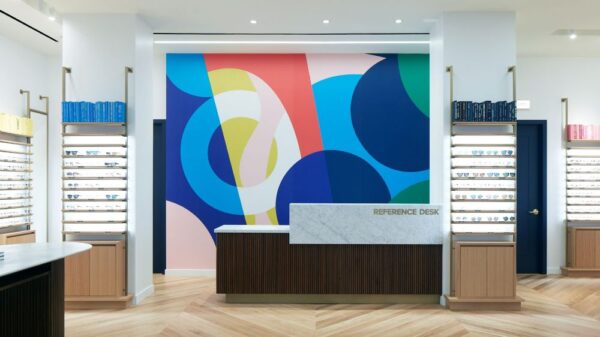
    Vibrant color palettes are an important layer to this shift in retail design. The thoughtful use of color in space strengthens the connection and cohesion between physical spaces and digital platforms, establishing an omnichannel brand ethos that speaks directly to shoppers. Whether through striking feature walls, dynamic displays or bold accents, color sets the mood, draws attention and deepens engagement. Accent walls in eye-catching hues or brightly colored displays immediately grab attention, reinforce the overarching sense of personality while helping to differentiate the storefront to passersby. Tonal changes also can be used to segment the store layout for intuitive wayfinding synced with the brand’s online presence. 

    Creating a third place within retail spaces.
    Retailers in high-foot-traffic, walkable areas, especially those clustered with like-minded brands, can amplify the in-store experience by incorporating “third-place” elements — spaces that extend beyond traditional retail. By integrating inviting social spaces like lounge seating, coffee bars and cocktail/mocktail bars into a store’s design, retailers create an environment where customers are encouraged to linger, relax and socialize. This fosters a community atmosphere that goes beyond the transactional nature of shopping, allowing the brand to become a destination for connection, relaxation and engagement.

    Rich textures and materials.
    The integration of tactile elements is becoming a central component of the retail environment, as people are drawn to spaces that engage the senses beyond just sight, which ultimately is the appeal of in-person shopping over online. From plush fabrics to sleek metals, the interplay of different materials can convey luxury, creativity or even sustainability, depending on the company’s value proposition. Velvet upholstery, for example, sends a message of extravagance, while natural wood accents can help to communicate a more earthy, eco-conscious vibe. Rich textures also invite customers to not only look at the products but also touch and feel their quality or weight. Even small details, such as clothing hangers, are being carefully selected to evoke specific feelings, align with company values and add layers of meaning to the overall impression.

    Creating unique experiences.
    The shift toward maximalism in retail extends beyond just how spaces are designed to how they’re activated. Rewarding the conscious effort to shop in-person through limited edition collections, pop-ups and collaborations is an important and enticing draw for consumers. These offerings, promoted online but only accessible in-store, are intended to drive foot traffic and create a sense of exclusivity. Adding to this, the ability to personalize products in-store, like custom embroidery, allows customers to actively engage in the creative process, transforming a standard purchase into something truly unique.

    The Shift in Action

    While it may take time for these shifts to materialize due to design, leasing and construction cycles, the momentum is clear. Brands are reassessing their store prototypes, recognizing that what felt fresh and modern a few years ago now seems overly simplistic.

    One of our confidential clients, for example, is reevaluating its storefront prototype design because the version from two years ago now feels too simple and monochrome. Another is exploring the use of color in a new way to create differentiation between locations and expand the depth of their brand statement. 

    The New Era of Expressive Retail Design

    As the retail industry continues to recover and adapt, the move toward maximalism seems poised to reshape how retailers approach physical spaces. What once felt fresh and modern — monochromatic minimalism — now seems overly simplistic. From rich textures and vibrant color schemes to distinctive architectural features, architecture and design professionals play a critical role in crafting spaces that are not only functional but also tell a compelling, brand-driven story. As retailers seek to redefine themselves, the built environment becomes a powerful tool for shaping consumer perceptions and fostering deeper, more meaningful connections.


    Christina Faley, Senior Associate, WELL AP, IIDA, is a Retail Studio Director at TPG Architecture, where she leads one of the firm’s two retail design groups. An Irish native with a background in hospitality, she joined TPG in 2016 after earning her Associate’s Degree in Interior Design from the Fashion Institute of Technology. Known for her conceptual creativity and technical precision, Faley has led high-profile projects for clients including El Palacio de Hierro and UPPAbaby. Her collaborative leadership style and empathy-driven approach foster meaningful client relationships and team success. Faley is passionate about designing holistic, hospitality-inspired brand environments that create experiences beyond the transactional.

  • Authentic to Roll Out Instant Cash Refunds Across Brand Portfolio

    Authentic to Roll Out Instant Cash Refunds Across Brand Portfolio

    Authentic Brands Group (Authentic) has partnered with Reshop to provide shoppers with instant cash (not store credit) refunds on returned items across its brands. A phased rollout of the service will start with Reebok, Champion, Vince Camuto and Juicy, to be followed by additional Authentic brands including DC Shoes, Roxy, RVCA and Volcom.

    Reshop debuted in July 2024 with retailer partners Steve Madden and Alo Yoga and has since added others, including Dolce Vita. Reshop takes on the risk of fraud or non-return losses, and it has integrated with the Narvar post-purchase platform, so it can be integrated into return operations for Narvar’s 1,400 merchants.

    “The early success of Reshop has really cemented the need for our platform and showcased its impact for retailers,” said Anthony Eisen, CEO of Reshop in a statement. “We’re seeing half of our customers go back to the original merchant for repeat purchases and often incredibly fast, with the majority of repeat purchases happening in less than 24 hours and in some cases as little as one minute. It’s exciting to see how instant refunds are driving that behavior, and we can’t wait to expand this experience to even more customers through our partnership with Authentic.”

    Authentic has made similar deals for services that it can apply across its entire portfolio. In May 2021 Authentic partnered with Klarna for its buy now, pay later (BNPL) functionality, and in February 2024 Authentic began working with Fast Simon to help enhance merchandising, personalization and search capabilities across its brand portfolio.

    “Speed, convenience and optionality are key factors for retailers to ensure success in today’s landscape, and we’re always looking for new ways to enhance the shopping experience for our customers,” said Adam Kronengold, Chief Digital Officer at Authentic in a statement.

  • FreshDirect Makes Physical Retail Debut a Hamptons Pop-Up

    FreshDirect Makes Physical Retail Debut a Hamptons Pop-Up

    FreshDirect is venturing beyond the digital realm for the first time in nearly 25 years with a pop-up store opening Memorial Day weekend in Southampton, N.Y. Through December, shoppers in the trendy Hamptons area can make in-person purchases of seasonal favorites, local products and FreshDirect’s fresh groceries.

    Designed to resemble a farmer’s market, with wooden pallets, crates and natural textures, the FreshDirect on Main store will offer small-batch cheeses, olive oils and items from regional farms like Wells Homestead Acres and Deer Run Farms. Visitors also will receive a limited-edition Hamptons-inspired FreshDirect tote bag.

    In-store experiences will include events such as ice cream socials and wine and cheese tastings. Next month, FreshDirect also will take over an East Hampton house to host larger events, including pizza-making classes and a “Tiny Tastemakers” series for kids that will give families the opportunity to meet local farmers and artisans.

    To celebrate the store’s grand opening, guests will receive a complimentary mini loaf of banana bread, and the store’s first 100 customers will receive a $100 gift card they can use toward their next online purchase.

    FreshDirect will continue to provide next-day delivery service to the entire Hamptons region, and the company is exploring same-day delivery opportunities that would originate from the pop-up store. FreshDirect partnered with Uber Eats in March 2025 to expand its delivery reach in the New York City area.

  • Hyper-Personalization Strategies Any Retailer Can Try

    Hyper-Personalization Strategies Any Retailer Can Try

    Shopify’s Future of Personalization report names the top trends in 2025, and hyper-personalization is at the top of the list. Hyper-personalization is a strategy that uses data and AI to create experiences that are tailored to individual shoppers or customers.

    Personalization: Send an email featuring coats and sweaters to people in Minneapolis and sandals to people in Florida.
    Hyper-personalization: Not only send an email with tailored clothing recommendations based on weather, but insert the exact products someone recently browsed.

    Personalization: Give shoppers a 20% off message once they’ve been on the site for a certain amount of time.
    Hyper-personalization: Send a shopper a link to preview a new collection instead based on their unique preferences and habits.

    Knowing what hyper-personalization tactic moves the needle requires retailers to actually create and launch tests, which can be daunting when so many retailers are frustrated with the state of their current personalization efforts. But retailers don’t have to let the gaps in their current personalization strategy slow them down from testing hyper-personalization and AI.

    Hyper-Personalization Tests to Try Now

    Retailers at nearly any state of personalization maturity can try the following hyper-personalization tests:

    Leverage one insight: Retailers should consider which data point they have that defines something important in the customer journey and also is readily available to use for marketing. For Carvana, that data point was the specific car that a customer just purchased. They used that image along with AI video tools to generate unique videos celebrating the customer’s new purchase. With this single bit of information, Carvana was able to take a generic purchase experience and make it hyper-personalized.

    Find the data that works: There’s a lot of data out there, but it’s not always easy to access, use or trust. Offline shopping data could be outdated and CDP data might be spotty, with profiles that just don’t match the 360-degree view retailers feel they need. In these cases, retailers should work with partners to find a data set they can be confident in, even if it’s not a full picture of a shopper or customer.

    One place to look is on-site shopping data. Not only is the data up-to-date and accurate; it also combines product information and shopper information in one. Retailers are employing shopper data to generate automated triggers that are hyper-personalized, such as “back in stock” notifications and notices when an item that was browsed goes on sale. Or, even cooler, retailers can use AI to analyze shopping data to generate a perfect outfit, suggest a recipe or assemble an automated wish list.

    Focus on Customers with Growth Potential

    Every retailer has a set of customers that could generate higher profits for the company if only they could be activated effectively. Often, it’s customers that have bought once or twice, but aren’t buying as frequently as loyal shoppers. The “moveable middle” of customers is a good place to focus hyper-personalization efforts.

    Here is where AI can be particularly valuable. Retailers can create a predictive model to identify actions that are tied to the potential for future conversion or, even better, long-term loyalty. AI can assess lots of different insights to surface the ones that are most likely to tip customers into a higher-value customer tier. With these insights, retailers can create tailored experiences that are designed to light up a dormant customer. 

    You Can’t Manage What You Don’t Measure

    Marketers often need better measurement to understand the incremental lift that hyper-personalization delivers. Measuring marketing is hard, and data is never perfect. 

    For example, marketers would need to have a control in place to measure the difference that hyper-personalized marketing delivers across a specific segment and then perform incremental lift measurement. Marketers need to set budget aside and get executive buy-in to perform the tests and the measurement correctly, and they need to keep their eyes on the future, because sometimes personalization’s true value is only seen over months. Knowing this up front can help set expectations that the road may be a bit longer and bumpier than everyone would like.


    Jonathan Sherry is Founder and CEO of Alium, an intelligence platform that helps buyers and sellers of marketing and Ecommerce solutions make smarter decisions. Before Alium, he co-founded CB Insights. Over the course of his 11+ years as their COO, he built and led CB Insights to what it is today: the venture industry’s preeminent source of research and intelligence. Sherry holds an MBA from Columbia Business School and a Bachelor of Science in Electrical Engineering from the University of Pennsylvania. He is also a board member and investor in tech startups, venture funds and Broadway productions.

  • Martech in Action: How Does Marketing Automation Enhance Webinar Engagement And Maximize ROI?

    With more than 60% of B2B marketers citing webinars as one of the most effective lead-generation tactics, they have emerged as one of the most potent marketing tools. Webinars are particularly noteworthy for their ability to produce high-quality leads and for their educational value as the digital landscape changes and marketers search for efficient methods to interact with their audience. With registration administration, material delivery, participant interaction, and post-event follow-up all involved, webinar planning and management may be a complex process that can become daunting without the appropriate tools.

    In this context, marketing automation, often known as Martech, revolutionizes webinar management and execution. Marketers may optimize workflows, boost participant engagement, and optimize return on investment (ROI) by automating critical webinar lifecycle components. By having technology take care of the tedious and time-consuming duties, automation frees up marketers to concentrate on what matters—providing insightful content and building deep relationships with their audience. Martech tools are crucial for ensuring webinars are successful scalable and effective, whether used for lead segmentation, email sequence automation, or real-time data analysis.

    From registration to post-event follow-ups, this article will examine how marketing automation may improve webinar marketing, increasing the effectiveness and impact of the entire process. We’ll examine the difficulties marketers encounter while running webinars, the advantages of automating webinar management, the essential tools that enable automation, and best practices to guarantee seamless operation. We’ll also examine actual cases of how Martech has transformed webinar engagement and return on investment, offering marketers useful information to help them improve their webinar tactics.

    The intricacy of handling several facets at once is one of the main obstacles that marketers have when it comes to webinars. These activities, which range from tracking engagement and sending follow-up information to completing registration forms and reminder emails, can easily become too much to handle. Without the use of automated technologies, these manual processes not only take up important time but also run the danger of human error, which can detract from the webinar’s overall effectiveness and negatively affect the experience of attendees.

    The primary advantage of marketing automation is its capacity to handle monotonous duties, freeing up marketing personnel to concentrate on more complex strategies and innovative projects. For instance, CRM connection solutions can guarantee that leads are automatically segmented depending on the interaction, enabling more individualized and focused communication, while automated email sequences guarantee that registrants receive timely reminders about the event. Additionally, automation can assist with real-time data collection and analysis, providing insightful information about participant behavior that can be utilized to enhance subsequent webinars or nurture leads after the event.

    This degree of automation is made possible by a number of marketing technologies. Integration with email marketing platforms like HubSpot and Mailchimp can further expedite the process, and webinar platforms like Zoom, GoToWebinar, and Demio offer built-in automation tools like post-event surveys and automated reminders. To manage participant lists, initiate follow-up activities, and evaluate success metrics, webinar systems can also be integrated with marketing automation tools such as ActiveCampaign and Marketo.

    Setting up customized email campaigns that bring registrants through the customer experience, automating lead scoring and follow-ups depending on attendee behavior, and using analytics to gauge webinar performance are all examples of best practices for webinar automation. Maximizing the impact of your webinars requires that your automation strategy be in line with your overarching marketing goals.

    Last but not least, practical examples show how Martech has been effectively applied to webinar marketing. For example, businesses in sectors like education and software as a service (SaaS) have used automation to increase attendee engagement and provide high-quality leads. Marketers can build a smooth experience that increases conversion rates and, eventually, returns on investment by automating both the logistics and the nurturing process.

    Martech tools are a huge help in turning webinars from a time-consuming procedure into a more efficient, data-driven marketing approach. Automation improves engagement while also freeing up marketers to concentrate on providing value and improving their strategy as a whole. Enhancing engagement, generating leads, and optimizing return on investment will become more feasible as more businesses include marketing automation in their webinar strategies. The use of these technologies to improve webinar marketing and attain long-term success will be discussed in this article.

    The Growing Importance of Webinars in Modern Marketing

    Businesses are constantly looking for methods to engage with their audience and build lasting relationships in the rapidly changing and fast-paced digital market. Webinars have become a vital tool for marketers in a variety of industries since they are among the most dynamic and effective content formats available today.

    Webinars are much more valuable than just disseminating information; they are now crucial for lead creation, content marketing, brand exposure, and consumer interaction. In addition to giving businesses important information about the interests and habits of their target audiences, their capacity to support direct contact with them enables them to establish a closer connection. Webinars are therefore an effective instrument in contemporary marketing.

    Webinar as a Marketing Tool

    Due to their remarkable ability to offer a high level of personalization and engagement, webinars have emerged as an essential part of many marketing campaigns. As businesses increasingly prioritize building relationships with their audience, webinars offer a platform for more direct and intimate communication.

    Unlike more traditional content forms like blogs or social media posts, webinars allow marketers to interact with their audience in real time, including answering questions, providing tailored insights, and addressing specific pain issues. Because of this real-time interaction, webinars are an extremely effective strategy for attracting new customers and establishing credibility.

    In terms of content marketing, webinars are an engaging way to showcase goods and services, share expertise, and demonstrate experience. They help businesses position their brand as an authority in their field by offering in-depth knowledge on topics that are most relevant to their audience. Webinars can also serve as a springboard for other types of material, such as blog posts, social media posts, or email newsletters. This enables marketers to reach a larger audience and repurpose excellent content in several formats.

    There are numerous opportunities for lead generation through webinars. In essence, when someone signs up for a webinar, they are expressing interest in a certain topic, which allows marketers to obtain helpful information about potential prospects. By looking at registration forms, engagement analytics, and post-event behavior, marketers may create more targeted ads and have a better grasp of customer preferences. By qualifying leads based on attendance and interaction, webinars can provide a more comprehensive understanding of a prospect’s intent and readiness to buy.

    Additionally, webinars have a major impact on brand recognition. Companies can arrange or participate in industry-specific webinars to showcase their expertise and present their brand to new audiences. With the right promotion strategy, webinars may draw sizable audiences, increasing their reach and generating new leads. Given the abundance of information available today, webinars offer a unique opportunity to cut through the noise and build rapport with potential customers.

    Challenges of Managing Webinars

    Even while webinars have been shown to be a very successful marketing tool, effectively managing them can be difficult at times, particularly if manual procedures or simple tools are used. Organizing and overseeing the webinar’s logistics, including registrations, follow-ups, and analytics, is one of the biggest problems. Having simplified procedures in place is crucial to managing webinars effectively and giving registrants a flawless experience as they become an increasingly important component of marketing campaigns.

    It can be quite difficult to manage registrations, particularly for larger webinars. Marketers must guarantee a seamless registration experience and make sure they are gathering the information required for lead qualifying and follow-up. Without the right tools, the process can become disorganized, leading to confusion or missed opportunities for engagement.

    Another major problem is following up with attendance. Sending prompt, customized follow-up messages to both webinar participants and non-participants is crucial after the event. Relevant content, such as a link to the webinar tape, extra resources, or exclusive deals, should be included in the follow-up message. However, handling these follow-ups by hand for a big audience can be laborious and error-prone. Automating follow-up emails, marketing automation systems, and other automation technologies can streamline this process and enable marketers to nurture prospects according to their degree of webinar engagement.

    Monitoring webinar engagement is another difficulty for marketers. To evaluate the success of the material being delivered and make sure that participants remain interested, it is essential to keep an eye on attendees’ behavior in real-time. This involves monitoring data like how long participants stay on the webinar, which parts they find most interesting, and how they respond to surveys or Q&A sessions. However, it can be challenging to accomplish this level of tracking manually without sophisticated analytics tools.

    Additionally, a significant challenge is guaranteeing high webinar participation rates. Even if a lot of people might sign up for a webinar, not everyone will be present on the day of the event. Time zone variations, conflicting priorities, or plain forgetfulness are some of the reasons why registrants can miss the event. Using push notifications, text messages, or reminder emails can help with this, but careful planning is needed to make sure the reminders are timely and personalized. By scheduling reminders and sending out customized messages to boost attendance rates, automation solutions can greatly improve this process.

    Personalization is Key

    Providing a customized experience is one of the main challenges marketers encounter when running webinars. Attendee engagement and post-event activity are positively correlated with the degree of personalization of the webinar experience. Sending specialized follow-up emails, tailoring the material to target particular audience segments, or even providing registrants with unique product suggestions based on their webinar involvement are all examples of personalization.

    CRM-integrated webinar solutions can assist marketers in obtaining additional information about each participant and delivering tailored messages according to their behavior and interests. By gathering comprehensive information about a registrant’s behavior, such as whether they watched the full webinar or engaged with specific features, marketers can develop a more customized follow-up plan after the event that is in line with the attendee’s stage of the buyer’s journey.

    As a result, webinars are now an essential component of contemporary marketing, giving companies a special means of engaging with their target audience, producing leads, and raising brand awareness. They are an effective tool for content marketing and client relationship building because of their capacity to offer comprehensive information and enable direct interaction. Without the appropriate tools, webinar management can be difficult, particularly when it comes to tracking engagement, tailoring content, coordinating registrations, and guaranteeing high attendance rates.

    Marketers may improve customization, expedite webinar procedures, and ultimately increase engagement and return on investment by utilizing marketing automation solutions. Businesses that invest in the appropriate technologies and tactics will be well-positioned to take advantage of webinars’ growing significance.

    Martech’s Role in Transforming Webinar Workflows

    Webinars are becoming a vital tool for organizations looking to engage their audiences and nurture leads in the constantly changing world of digital marketing. However, without the proper resources, the intricacy of organizing, publicizing, and carrying out webinars might be daunting.

    Webinar workflows have been completely transformed by marketing technology (Martech), which provides creative ways to improve personalization, combine platforms, and expedite procedures. Martech is revolutionizing webinar management and execution through features including platform integration, audience engagement customization, and automation in webinar planning.

    1. Automation in Webinar Planning

    From scheduling and promotion to registration and follow-ups, webinar planning necessitates painstaking attention to detail and efficient collaboration across multiple phases. These responsibilities may now be made simpler with the help of marketing automation solutions, freeing up marketers to concentrate on producing content that has an impact rather than being bogged down in paperwork.

    a) Scheduling and Coordination:

    By integrating webinars with team calendars, automation solutions like HubSpot, Marketo, and Pardot help streamline scheduling and guarantee the best possible timing for the intended audience. In order to prevent schedule conflicts, they also let marketers create event-specific workflows that include automated updates and internal team reminders.

    b) Promotion and Registration Management:

    Webinars may be easily promoted via email, social media, and sponsored advertisements thanks to marketing automation solutions. By segmenting audiences and sending tailored email invites according to their interests, tools like ActiveCampaign or Mailchimp help increase registration rates. Furthermore, these platforms’ integrated landing page builders can produce registration forms that are optimized and gather pertinent data, guaranteeing a flawless user experience.

    c) Reminder Campaigns and Follow-Ups:

    Maintaining audience engagement requires automating follow-up emails and reminder emails after webinars. Reminders can be strategically scheduled using Martech technologies to make sure participants don’t miss the event. Thank-you letters, webinar recordings, and other materials are examples of post-event workflows that can be tailored to the degree of participation of webinar participants.

    By automating these procedures, Martech ensures that webinars are carried out accurately and efficiently by doing away with tedious manual labor and lowering the possibility of human error.

    2. Seamless Integration Across Platforms

    A significant obstacle for marketers is the disorganization of webinar management systems. In order to solve this, Martech makes it possible for social media schedulers, email marketing platforms, CRM systems, and webinar platforms to integrate seamlessly.

    a) Connecting Webinar Platforms to CRMs:

    HubSpot, Zoho, Salesforce, and other well-known CRM programs may be easily integrated with platforms like Zoom, GoToWebinar, and Webex. Marketers can monitor engagement and develop more successful follow-up ads thanks to this connectivity, which lets registration information and guest behavior go straight into the CRM. For example, during a webinar, if a participant has specific queries, the CRM can record that information to tailor subsequent correspondence.

    b) Synchronizing Email Marketing and Social Media Tools:

    To guarantee smooth communication with registrants both before and after the event, Martech makes it easier to integrate email marketing tools like Constant Contact or Mailchimp with webinar platforms. In a similar vein, webinar platforms can be integrated with social media scheduling tools like Hootsuite or Buffer to advertise events and interact with audiences on social media.

    c) Data-Driven Insights Through Analytics Integration:

    Marketers may learn a lot about audience demographics, engagement metrics, and registration trends by integrating webinar software with analytics systems like Google Analytics or Tableau. Future webinar tactics, targeting, and the overall participant experience may all be improved with the use of this data.

    Connecting several systems guarantees that marketers have a single, cohesive view of their webinar efforts, which lowers inefficiencies and improves decision-making.

    3. Enhancing Personalization

    In the very competitive marketing environment of today, personalization is an essential component of success. With the use of martech technologies, marketers can create highly customized webinar experiences that captivate audiences and encourage greater participation.

    a)  Customized Email Chains:

    Email chains that change according to user behavior can be produced via automation technologies. For instance, a follow-up email with more information or a time-limited offer can be sent automatically if a prospective attendee sees an invitation email but chooses not to register. However, registered participants can get personalized reminders according to their choices, time zones, or location.

    b) Targeted Content Delivery:

    With the help of martech, marketers may divide up their audience into groups according to information like industry, occupation, or past brand interactions. Because of this segmentation, the webinar may present content that is specifically tailored to the requirements and interests of the audience. For instance, a webinar with a healthcare theme can modify its content for physicians, administrators, and makers of medical equipment.

    c) Behavior-Based Messaging:

    Martech tools can produce insights that guide post-event communication by examining attendee behavior, such as poll participation, Q&A sessions, or webinar duration. High-engagement attendees may be invited to more advanced sessions, while early-leaving attendees may be re-engaged with summaries or shorter content.

    In addition to increasing attendance and engagement, the ability to customize each touchpoint in the webinar experience strengthens relationships with the audience and eventually increases conversion rates.

    Martech has completely changed webinar processes, giving marketers the ability to organize, publicize, and carry out webinars with previously unheard-of efficiency. Martech enables brands to concentrate on what matters: interacting with their audience and accomplishing their objectives by automating time-consuming procedures, integrating disparate tools, and providing personalized experiences.

    In addition to increasing the efficacy of individual webinars, Martech solidifies its position as a key component of contemporary marketing plans with its smooth automation, integrated platforms, and sophisticated personalization features. Businesses that successfully use Martech will be in a strong position to optimize their return on investment and create enduring relationships with their audiences as webinars continue to gain popularity.

    Mapping the Webinar Customer Journey with Automation

    ​​Because they allow brands to communicate with their audiences directly and generate meaningful engagement, webinars have become a key component of digital marketing. But a webinar’s effectiveness isn’t just determined by its content; it’s also determined by how well the client journey is handled throughout its progression. Every step of the webinar customer journey may be transformed by marketing automation, from raising awareness to fostering relationships after the event. This will increase efficiency and provide a consistent, interesting experience.

    In order to optimize success, let’s examine how automation might improve each of the standard stages of the webinar customer journey: awareness, registration, engagement, post-webinar follow-up, and retention.

    • ​​Awareness: At this point, prospective participants become aware of your webinar. Promotions via social media, email marketing, and other digital platforms are frequently used in awareness campaigns. The goal is to create interest and attract attention.
    • Registration: Converting the audience’s attention into registrations comes next after they are informed about the webinar. This entails making sure they commit to attending the event and providing a smooth sign-up procedure.
    • Engagement: During the live event, engagement occurs. Through interesting content and real-time features like polls and Q&A sessions, a successful webinar encourages participation, maintains attention, and offers attendees value.
    • Follow-Up Communications After the Webinar: The journey continues with follow-up messages that cultivate leads and promote additional interaction with your business.
    • Retention: Keeping guests interested with tailored material, fostering enduring relationships with them, and motivating them to attend more webinars or look into other offers are all part of retention.

    a) Automation at Each Stage

    Pre-Webinar: Awareness and Registration

    Automation is essential for raising awareness and encouraging registrations.

    • Social media posts and promotional emails: These can be scheduled and distributed to specific audiences using automation platforms such as HubSpot, Marketo, or Mailchimp. The possibility of conversion is increased by these technologies, which guarantee that messages are customized to each user’s tastes. Likewise, promotional posts can be published at the best times by using social media automation platforms like Hootsuite or Buffer, which increase reach.
    • Landing Pages and Registration Forms: With the help of martech systems, marketers may design specific landing pages that include automated registration forms. When accessible, customer data can be pre-filled into these forms to streamline the sign-up procedure. Automatic collection and storage of registrant data for later use is ensured via integration with CRM tools.
    • Reminder Notifications: Automated reminders sent by email, SMS, or even calendar invites assist registrants in remembering the event. To increase attendance rates, platforms can be set up to send reminders at key times, including a week, day, and hour prior to the event.

    b) During the Webinar: Engagement

    Automation is essential for encouraging real-time involvement and gathering useful data, and it doesn’t end when the webinar begins.

    • Interactive Elements: Live interaction elements like polls, surveys, and Q&A sessions are included in tools like Zoom, GoToWebinar, or Webex. To promote audience interaction, these can be pre-configured and activated automatically throughout the webinar.
    • Attendance Monitoring: Automated attendance monitoring makes sure that participant information is recorded and logged in real-time, including session duration, engagement levels, and poll responses. Follow-up messages can be personalized by integrating this data with marketing automation or CRM systems.
    • Real-Time Analytics: Automated systems can give immediate feedback on data related to attendee engagement, like the number of attendees and the degree of involvement. Presenters can better match audience expectations by modifying their delivery during the session with the use of these insights.

    c) Post-Webinar: Follow-Up and Retention

    Automation shines during the post-webinar phase, assisting brands in nurturing leads and assessing the event’s performance.

    • Follow-Up Emails:

    Automated email procedures guarantee that each participant gets a prompt follow-up message. For instance:

    1. A thank-you email containing a link to the webinar tape and other materials is sent to attendees.
    2. A “sorry we missed you” email inviting them to view the on-demand version can be sent to those who were unable to attend.

    Personalized offers or invites to advanced webinars are sent to active participants.

    • Content Offers:

    Automation tools are able to deliver customized content offers by segmenting participants according to their degrees of involvement. An in-depth whitepaper, for example, might be sent to a webinar participant who raised specific questions, but a fast infographic or summary might be provided to a passive observer.

    • Lead Scoring and CRM Integration:

    Lead scores can be assigned by automation platforms such as Salesforce or Pardot based on webinar engagements, including duration of attendance, participation in polls, and downloads of content. The sales team can mark high-scoring leads for prompt follow-up, while others can be added to nurturing efforts.

    • Performance Analytics:

    Attendance rates, engagement levels, and conversion rates are just a few of the webinar performance parameters that may be assessed by automated analytics dashboards. These observations help maximize marketing efforts and guide future webinar methods.

    d) Retention: Building Long-Term Relationships

    Retention requires nurturing ongoing relationships with webinar attendees.

    • Customized Campaigns: By using automation solutions, brands can design enduring nurturing programs that are informed by the behavior of attendees. A person who attended several webinars, for instance, can be given VIP access to upcoming events or special content.
    • Event Feedback and Surveys: To collect feedback and gauge participant satisfaction, post-webinar surveys can be automatically delivered to participants. Future webinars can benefit from this input, which also shows a dedication to customer-centricity.
    • Constant Engagement: By sending out newsletters, invitations to upcoming events, and frequent updates, automation makes sure that guests stay interested in your brand. Over time, retention-focused procedures can foster audience engagement and loyalty.

    Mapping the webinar customer journey with automation not only streamlines workflows but also creates a more engaging and personalized experience for attendees. By leveraging automation at every stage—from pre-event promotion to post-event nurturing—marketers can drive higher attendance rates, foster deeper engagement, and build lasting relationships with their audience.

    As webinars continue to play a pivotal role in modern marketing strategies, automation will remain a cornerstone for brands seeking to deliver impactful, efficient, and results-driven events. The key lies in selecting the right tools and strategies to ensure that every touchpoint in the customer journey is optimized for success.

    Marketing Technology News: MarTech Interview with Abhay Singhal, Co-Founder @ InMobi & CEO – InMobi Advertising

    Tools and Best Practices for Webinar Automation in Martech

    Automation of webinars has become a crucial component of contemporary marketing tactics, enabling companies to increase ROI, optimize workflows, and enhance engagement. Webinars may be made easier to administer and more successful at increasing conversions by utilizing the appropriate Martech solutions and adhering to best practices. The main tools for webinar automation are examined in this article, along with best practices to guarantee a smooth implementation.

    Key Automation Tools for Webinars

    Automation tools are essential for streamlining webinar processes, from registration to interaction after the session. The following are a few of the best webinar automation tools:

    a) CRM Systems (e.g., HubSpot, Salesforce):

    Throughout the webinar process, lead management and nurturing depend heavily on Customer Relationship Management (CRM) systems.

    ●     Automating Lead Capture: A webinar participant’s information is automatically entered into the CRM upon registration. This guarantees that no lead is overlooked and does away with human data entering.

    ●     Segmentation: CRMs give marketers the ability to divide up registrants according to their demographics, habits, or other characteristics, which enables them to send more focused messages.

    ●     Lead nurturing: CRMs automate follow-ups, such as sending customized emails or transferring leads to sales teams for additional interaction, following the webinar.

    ●     Integration: A smooth data flow across systems is ensured by the majority of CRMs’ easy integration with webinar platforms.


    b) Email Marketing Platforms (e.g., Mailchimp, ActiveCampaign):

    To increase webinar attendance and sustain engagement both before and after the event, email marketing solutions are crucial.

    ●     Automated Sequences: Email platforms give marketers the ability to design automated workflows, such as thank-you emails sent after webinars, registration confirmations, and reminders.

    ●     Personalization: By using these techniques, messages can be dynamically tailored to each recipient according to their preferences and actions.

    ●     Drip Campaigns: By providing registrants with pertinent content after the webinar, drip campaigns can help them advance down the sales funnel.


    c)  Webinar Platforms with Built-In Automation (e.g., Zoom, Demio):

    Advanced automation tools are built into contemporary webinar platforms to make event administration easier.

    ●     Registration and Reminders: To guarantee high attendance rates, platforms such as Zoom and Demio provide automated registration procedures and promptly remind registrants.

    ●     Integrations: A centralized workflow is produced by numerous platforms’ integrations with CRMs, email marketing tools, and analytics software.

    ●     Post-Webinar Features: Without requiring human participation, hosts can exchange slide decks, provide recordings, and keep track of attendance using automated tools.


    d) Marketing Analytics Tools (e.g., Google Analytics, Databox):

    Understanding ROI and pinpointing opportunities for development depend on measuring webinar performance.

    ●     Engagement tracking: Analytics systems offer information about how attendees behave, including how much time they spend on the webinar if they take part in polls, and whether they ask and answer questions.

    ●     Performance metrics: Performance metrics, such as attendance rates, lead generation, and conversion rates, can be obtained by combining data from several platforms using tools like Databox.

    ●     Continuous Improvement: Marketers can determine what worked well and what needs to be adjusted for upcoming webinars by evaluating data.

    Best Practices for Webinar Automation

    It is crucial to adhere to recognized best practices in order to optimize the advantages of webinar automation technologies. These tactics guarantee that your webinar is effective and memorable.

    a) Setting Up Segmented Email Lists for Targeted Messaging

    Tailored emails are more effective than generic ones. Delivering content that appeals to particular groups is made possible by segmented email lists.

    Segment registrants based on industry, job role, or engagement history using CRM data. Send them customized reminders or invitations emphasizing how the webinar relates to their requirements.

    b) Utilizing Drip Campaigns to Nurture Leads Post-Webinar

    Not every webinar participant is prepared to buy right away. Over time, drip programs maintain their interest.

    Make a sequence of automated emails that distribute extra materials, including whitepapers, blog entries, or case studies that are relevant to the webinar’s subject. Incorporate calls-to-action (CTAs) that direct users to the following action, like contacting a sales representative or setting up a demo.

    c) Aligning Webinar Content with the Buyer’s Journey

    Content that corresponds with the attendees’ current stage of the buyer’s journey has a higher chance of engaging them.

    For audiences in the awareness stage, concentrate on instructional materials that showcase market trends or answers to typical issues. Share case studies or product comparisons that tackle certain issues with participants who are in the consideration stage. Highlight your distinct value proposition and provide special offers or demos to participants in the decision stage.

    d) Using Analytics to Continuously Improve Future Webinars

    By using analytics to determine what worked and what didn’t, you may improve your strategy for upcoming webinars.

    Monitor important data including the conversion rates from registration to attendance, webinar participation, and the success of the follow-up after the event. Make data-driven decisions using insights, such as modifying promotional tactics, improving interactive features, or modifying webinar timings.

    e) Leveraging Real-Time Engagement Features

    Attendee engagement is maintained and the webinar is enhanced via real-time interaction.

    During the webinar, use live chat, automatic polls, and Q&A sessions. These functionalities are included in the automation package of several platforms.

    f) Repurposing Webinar Content

    A wealth of content that can be recycled for further use can be found in webinars.

    Automate the process of creating on-demand videos from webinar recordings. To prolong the webinar’s lifecycle, use snippets for blog entries, email campaigns, and social media.

    For events to be smooth, interesting, and productive, webinar automation technologies and best practices are essential. Marketers may streamline the webinar process from registration to follow-ups after the event by utilizing CRMs, email marketing platforms, webinar software, and analytics tools.

    Furthermore, webinars are guaranteed to provide the most benefit to organizations and attendees by adhering to best practices including audience segmentation, drip marketing, content alignment, and analytics-driven enhancements. For contemporary marketers, webinar automation is revolutionary in a world where effectiveness and customization are critical. Organizations may improve their webinar efforts and more accurately and significantly accomplish their marketing objectives by investing in the appropriate tools and tactics.

    Using Martech to Measure Webinar Success

    Webinars are now a crucial component of contemporary marketing strategy since they give companies a strong means of connecting with their audience, producing leads, and establishing thought leadership. But holding a webinar is only the beginning. Assessing its effectiveness is essential to comprehending its influence and improving subsequent initiatives.

    To track, analyze, and use important metrics to improve results, martech solutions are essential. The key performance indicators for webinars, their measurement methods, and how Martech facilitates data-driven decision-making are all covered in detail below:

    a) Attendance Rates

    Attendance rates are a crucial metric for evaluating your webinar’s appeal and reach. They offer a clear indication of how successful your marketing campaigns were and how effectively your target audience connected with the issue you selected.

    The drop-off rate, which might reveal possible problems like bad timing, insufficient reminders, or waning interest, can be found by comparing the number of registrants to the number of participants in person. While a large drop-off may need a reassessment of pre-webinar communication or scheduling, a good attendance rate usually indicates that your registration and promotional methods are on the spot.

    b) Engagement Levels

    Engagement levels offer a deeper look at how actively participants interact with the webinar content. Metrics such as poll participation, questions asked during the Q&A session, chat activity, and the average time spent in the session are valuable indicators of how captivating and relevant the content is to your audience.

    High engagement suggests that the webinar successfully held the audience’s attention and encouraged active involvement, which is often a precursor to building stronger relationships with potential leads. Conversely, low engagement might point to the need for more interactive elements or adjustments to the pacing and delivery of the content.

    c) Conversion Rates

    Another crucial indicator of how well your webinar is accomplishing its objectives is conversion rates. Conversion rates show how well your material encourages attendees to take the required action, regardless of whether your goal is to drive product purchases, encourage resource downloads, or generate qualified leads.

    You can evaluate the webinar’s effectiveness in advancing prospects through the buyer’s journey by figuring out what proportion of participants finish a certain follow-up task. This indicator is particularly important for proving return on investment and coordinating your webinar activities with more general corporate goals.

    d) Post-Webinar Surveys

    Surveys conducted after webinars offer qualitative information to support quantitative measurements. They allow guests to comment on their experience, providing insightful viewpoints on technical elements, speaker performance, content quality, and general contentment.

    By examining survey results, you may pinpoint areas of strength and room for development, making future webinars more polished and in line with audience expectations. Additionally, getting direct input from participants might help you identify certain requirements or pain points so you can better customize your offers.

    Through regular monitoring and analysis of these crucial variables, companies can find patterns and trends that help them make data-driven decisions. By ensuring that every successive webinar offers more value to the company and its audience, this process of continual development increases the efficacy of webinars as a crucial part of the marketing plan.

    Continuous Improvement Through Martech

    Continuous Improvement Using Martech Martech’s capacity to promote continuous improvement is among its most important benefits. Businesses may improve every facet of their webinar strategy by utilizing data insights.

    1. Improving the Relevance of the Content

    Finding the subjects and forms that your audience responds to the best can be accomplished by examining survey responses and engagement analytics. Make future webinars more audience-friendly by using these insights.

    2. Improving Promotion and Timing

    Marketers may identify the most effective times and channels for webinar promotion by monitoring registration patterns and attendance rates, which guarantees optimal reach and involvement.

    3. Enhancing Engagement Techniques

    Strategies for increasing audience involvement during upcoming webinars can be informed by insights into live interaction data, such as poll participation and Q&A activity.

    4. Calculating ROI

    By connecting performance indicators to business outcomes like lead generation, conversions, and revenue, martech platforms give a clear picture of webinar ROI.

    Real-World Success Stories

    Businesses now rely heavily on webinars to engage with their audiences, create leads, and establish thought leadership. However, webinar success necessitates a calculated strategy, frequently fueled by marketing technology (Martech).

    Two real-world success stories are examined in this article: a financial services company that used marketing automation to promote individualized post-webinar engagement, and a software development company that transformed its lead-generating process with Martech. These illustrations provide practical insights that might motivate and direct your webinar tactics.

    a) Case Study 1: A SaaS Company’s Journey to Automated Webinar Excellence

    A quickly expanding SaaS provider of project management solutions mostly relies on webinars to get leads. Their manual procedures for promotion, registration, and follow-up emails were ineffective despite having a full webinar schedule, which led to:

    • Low attendance rates.
    • Missed chances to cultivate leads.
    • A dearth of useful information about webinar performance.

    The marketing team came to the realization that without automation, they would find it difficult to grow their webinar strategy and efficiently follow up with the leads they produced.

    The Fix

    The business put in place a Martech stack that comprised:

    • HubSpot (CRM and marketing automation): To track leads, segment audiences, and optimize email campaigns.
    • Zoom (webinar platform): For holding webinars with integrated HubSpot integrations and automated registration features.
    • Google Analytics: To determine the best channels for promotion and gauge the sources of visitors.

    The strategy included :

    The strategy applied by the group was able to automate important procedures to:

    • Simplify Registration: By integrating Zoom and HubSpot, automated registration forms were made possible, removing the need for human data entry and guaranteeing that all registrant information was saved straight into the CRM.
    • Increase Attendance: Attendance rates significantly increased as a result of automated email reminders that were sent out 24 hours, an hour, and ten minutes prior to the event.
    • Simplify Follow-Up: Depending on the behavior of the attendees (such as whether they attended live, missed the webinar, or stayed for a certain amount of time), customized follow-up emails were sent out.

    The Results

    After deploying its Martech stack, the SaaS company accomplished the following in three months:

    • A 40% percent rise in webinar participation.
    • A 60% increase in webinar registrants’ lead conversions to requests for demos.
    • A more productive workforce that eliminates the need for manual labor, saving over ten hours a week.

    Important Takeaway

    Workflows for webinars can be automated to increase productivity and guarantee that no leads are missed. Businesses may expedite the entire process, from registration to follow-ups after the webinar, by integrating webinar platforms with CRMs.

    2. Case Study 2: A Financial Services Firm’s Personalized Engagement Strategy

    To foster confidence and create leads, a financial services company that specializes in investment advisory held informative webinars. Although they were successful in drawing registrants, their post-webinar ROI and engagement levels fell short of expectations.

    • The audience did not connect with the typical post-webinar emails.
    • They had trouble quantifying how webinars affected client retention and lead advancement.

    The Fix

    The company used a Martech-driven strategy, utilizing:

    • Marketo (marketing automation platform): To evaluate audience behavior and generate customized email sequences.
    • SurveyMonkey: For post-webinar questionnaires to collect input and improve content.
    • LinkedIn Campaign Manager: To use customized content to retarget attendees and no-shows.

    The strategy included:

    • Behavior-Based Follow-Ups: The company was able to divide up guests according to their degree of participation thanks to Marketo. For instance, participants who took part in surveys were given in-depth case studies, whereas those who only attended a portion of the webinar were given a synopsis along with a link to view the recording.
    • Content Personalization: The company used CRM data insights to send follow-up emails that were specifically tailored to each attendee’s investment preferences and goals.
    • Retargeting Campaigns: Using LinkedIn, they launched ads featuring content offers (e.g., whitepapers and one-on-one consultations) to re-engage no-shows and nurture leads further.

    The Results

    The financial services company reported within six months:

    • A 50% increase in engagement rates following the webinar.
    • A 35% rise in consultations prompted by webinars.
    • A 25% increase in return on investment (ROI) from webinars, as indicated by new client acquisitions.

    Important Takeaway

    Personalization is the cornerstone of effective post-webinar engagement. By using Martech to analyze attendee behavior and deliver tailored content, businesses can deepen relationships with their audience and drive higher ROI.

    Lessons Learned

    These two case studies reveal actionable strategies that can help businesses maximize webinar success:

    1. Embrace Automation to Streamline Workflows: Manual processes can limit scalability and lead to inefficiencies. Tools like HubSpot, Marketo, and Zoom simplify webinar planning, execution, and follow-up, freeing up time for more strategic tasks.

    2. Personalize the Customer Journey: Generic messaging often falls flat. Leverage marketing automation to segment your audience and deliver content that resonates with their specific interests and behaviors.

    3. Measure and Optimize: Use analytics tools to monitor key metrics such as attendance rates, engagement levels, and post-webinar conversions. Regularly review these insights to refine your strategy and improve future webinars.

    4. Integrate Your Martech Stack: Integration between webinar platforms, CRMs, and marketing automation tools ensures a seamless flow of data, enabling a comprehensive view of lead progression and campaign performance.

    5. Retarget Strategically: Don’t let no-shows go to waste. Retarget them with relevant content to keep them engaged and move them along the customer journey.

    Webinars are powerful tools for lead generation, customer engagement, and brand building. By leveraging Martech tools and adopting best practices, businesses can achieve significant improvements in webinar performance. Whether it’s automating workflows, personalizing engagement, or analyzing data for continuous optimization, Martech empowers organizations to turn webinars into impactful marketing assets.

    As demonstrated by the SaaS company and financial services firm, the combination of the right tools and strategies can drive impressive results. With these lessons in mind, marketers can elevate their webinar efforts, ensuring that every event delivers maximum value to both the business and its audience.

    ​​Future Trends in Webinar Automation and Martech

    The future of webinars in the Martech ecosystem is being shaped by several developments, including the integration of AI and machine learning into webinar automation tools, which is revolutionizing the way marketers plan, execute, and analyze their events. Let us look at the future trends in webinar automation and Martech:

    1. More Sophisticated Personalization:

    AI-powered solutions are making personalization more sophisticated than ever before, enabling tailored content delivery based on attendee preferences, behavior, and engagement history. For instance, AI can analyze registration data to recommend customized follow-up materials or adjust live content. As marketing technology continues to evolve, webinar automation is poised to enter an exciting new phase driven by advancements in interactive content, omnichannel strategies, and artificial intelligence (AI).

    2. Integration Of AI and Machine Learning:

    How marketers plan, execute, and analyze their events is being revolutionized by the integration of AI and machine learning into webinar automation tools. AI-powered solutions are enabling more sophisticated personalization, allowing for tailored content delivery based on attendee preferences, behavior, and engagement history.

    For instance, AI can analyze registration data to recommend customized follow-up materials, or it can dynamically adjust live content to reflect audience interests as the webinar progresses. Additionally, machine learning algorithms can help predict attendee behavior, such as identifying which participants are most likely to convert, based on patterns in previous interactions.

    3. Real-Time Analytics and Feedback With AI

    Real-time analytics and feedback represent yet another revolutionary use of AI. As the webinar goes on, AI-enabled tools can monitor audience sentiment, participation levels, and the efficacy of the content. This makes it possible for marketers to make quick changes, like changing the presentation’s tone or adding an interactive component, to guarantee that the webinar stays interesting the entire time. Delivering highly customized, data-driven webinars will become essential to successful marketing strategies as these technologies advance.

    4. Interactive Content

    As companies realize how important it is to encourage active engagement from listeners, the usage of interactive content in webinars is also growing. To increase participation and produce unique experiences, features like live polls, quizzes, and gamification are quickly becoming indispensable parts of contemporary webinars.

    One-way presentations can be made more engaging with interactive information, which turns webinars into lively discussions. For example, a live poll during a webinar can quickly collect feedback from the audience, and quizzes can help people remember important information. Additional incentives for engagement and excitement are provided by gamification features like giving out prizes for correctly answering quiz questions or awarding points for participation.

    Additionally, interactive content gives advertisers useful information about the interests and preferences of their audience. Future webinars can be improved with the use of this data, guaranteeing that the material is effective and relevant. As Martech tools advance, it will be simpler to incorporate interactive aspects into webinar workflows, making this trend accessible to companies of all sizes.

    5. Shift toward omnichannel webinar strategies

    The push toward multichannel webinar techniques is another development that is transforming the landscape of webinar automation. In today’s linked world, webinars are no longer independent events; instead, they are part of a bigger, integrated marketing effort. Businesses can build a unified, multi-platform experience that connects audiences across touchpoints by integrating webinars with other channels like social media, podcasts, and video content.

    Key takeaways from a webinar, for instance, can be turned into blog entries, YouTube videos, or podcast episodes, while teaser clips can be posted on social media to draw in new participants. With features that streamline cross-channel content distribution and tracking, martech tools are playing a key role in enabling this integration. Advanced analytics platforms can also offer a unified view of performance across channels, helping marketers understand how webinars contribute to overall marketing goals. This omnichannel approach not only extends the lifecycle of webinar content but also maximizes its reach and impact.

    Looking ahead, the convergence of AI, interactive content, and omnichannel strategies will likely lead to even more innovative uses of webinar automation. Virtual and augmented reality (VR/AR) technologies, for example, may soon become part of the webinar experience, offering immersive environments that captivate audiences like never before. Similarly, advances in voice recognition and natural language processing could enable real-time translation and transcription, making webinars accessible to global audiences.

    Hence, the future of webinar automation is bright, with Martech continuing to drive innovation and efficiency. By leveraging AI for enhanced personalization, incorporating interactive elements to boost engagement, and adopting omnichannel strategies for greater reach, businesses can ensure their webinars remain a powerful tool in the marketing arsenal. As these trends gain momentum, organizations that embrace them early will be well-positioned to deliver impactful, engaging, and ROI-driven webinars in the years to come.

    Final Thoughts

    Since they give companies a strong platform to engage with their audiences, create leads, and establish a brand reputation, webinars have become a vital component of contemporary marketing tactics. However, the intricacy of organizing, carrying out, and evaluating webinars can present serious difficulties, therefore effectiveness and efficiency must be given top priority. Here is where Martech tools—in particular, marketing automation—have revolutionized webinars, achieving unprecedented levels of engagement and return on investment.

    Every phase of the webinar lifecycle, from preliminary preparation to follow-ups after the event, is streamlined by martech technologies. Processes like scheduling, registration, reminder notifications, and content delivery are made simpler by automation, freeing up marketers to concentrate on strategy rather than tedious manual labor. CRMs, email marketing tools, analytics programs, and webinar software are all easily connected by integrated platforms, which guarantee that data moves between systems for a cohesive strategy. Teams can provide unified, customized experiences that connect with their consumers by removing silos thanks to Martech.

    The potential of Martech to increase participation is among its most important benefits. Customized email sequences and dynamic content recommendations based on attendance behavior are just two examples of personalized experiences made possible by AI and automation. Interactive elements that encourage real-time engagement during the webinar, such as polls, Q&A sessions, and live chats, keep viewers interested. Automated workflows after the webinar guarantee prompt follow-ups with relevant material that develops prospects and increases conversions. Without Martech’s power, it would be practically impossible to attain this level of precision.

    Additionally, Martech solutions give marketers the information they need to gauge success and enhance subsequent initiatives. A detailed image of webinar performance may be obtained by easily tracking and analyzing important parameters including attendance rates, engagement levels, and conversion rates. Businesses may map the customer journey and improve their tactics for maximum impact by integrating this data with CRM and marketing automation solutions. Marketers should make sure their webinars continue to be a useful tool in their campaigns by depending on data-driven decision-making.

    Examples from the real world highlight how Martech can revolutionize webinar tactics. The success examples, which range from financial services organizations that provide tailored post-webinar content to increase ROI to SaaS companies that have automated their webinar procedures to increase lead generation, are both inspiring and informational. These examples show how crucial it is to use Martech to find new chances for development and innovation as well as to address current problems.

    With trends like AI integration, interactive content, and omnichannel strategies changing how webinars are conducted and experienced, the future of webinar automation appears bright. While gamified and immersive content will revolutionize audience engagement, AI-driven solutions offer even more personalization and predictive power. Marketers can make sure their webinar strategies remain innovative and continue to produce quantifiable outcomes by adopting these developments.

    Now is the moment for companies who want to maximize their webinar efforts. A multitude of solutions are available in the Martech ecosystem that are intended to improve the webinar experience in all its facets, from planning to follow-up. ​​Platforms like ON24, Marketo, and HubSpot offer powerful tools for audience engagement, webinar automation, and performance monitoring, and marketers should investigate them. Maximizing the potential of webinars as a marketing channel requires selecting the appropriate tools that are in line with audience demands and company goals.

    In the current competitive environment, including marketing automation in webinar strategy is no longer an option—it is now essential. Martech enables companies to conduct more effective webinars with less work, guaranteeing that each engagement with a participant is significant and productive. Businesses that engage in automation and follow best practices will be well-positioned to stand out, forge closer bonds with their audiences, and experience long-term success as webinars continue to gain popularity.

    Today, Martech is the force behind webinars’ development, turning them from straightforward presentations into dynamic, captivating, and return on investment experiences. Businesses may fully utilize webinars as a strategic marketing strategy by utilizing marketing automation’s ability to improve workflows and establish stronger relationships with their audiences. Investigate the Martech market now to see how it may transform your webinar tactics for sustained success.

    Marketing Technology News: Scaling Local Advertising Campaigns: Strategies for Managing Ad Complexity With Automation

  • Lowe’s Enhances Marketplace Offerings

    Lowe’s Enhances Marketplace Offerings

    Lowe’s has partnered with marketplace technology provider Mirakl to accelerate the growth of the online marketplace it launched in December 2024. Since the Lowe’s Marketplace debuted, the retailer has expanded offerings from third-party sellers, including indoor and outdoor furniture, kitchen and bath, home décor, power and hand tools and more.

    In addition to a wider variety of choices from popular brands, the marketplace will feature products representing the full price spectrum, from value to premium, while also allowing Lowe’s to branch into new product categories across the home. Members of the MyLowe’s Rewards loyalty program earn points on any marketplace purchase, and all marketplace products are available for home delivery and can be returned at any Lowe’s store.

    “Lowe’s Marketplace extends our aisle to better meet the needs of our customers, bringing them more of the products they want from brands they trust,” said Michael McCluskey, VP of Marketplace at Lowe’s in a statement. “Mirakl is a proven leader in online retail marketplaces, and joining forces with their team furthers our commitment to creating a robust marketplace.”

  • Facing a Disappointing Q1, Target Seeks to ‘Remain Price Competitive’

    Facing a Disappointing Q1, Target Seeks to ‘Remain Price Competitive’

    The entire retail industry is battling tariff uncertainty and other headwinds, and Target is no exception. The big box retailer reported a 2.8% net sales decline in Q1 2025 compared to the same period the previous year, with net sales falling from $24.5 billion in Q1 2024 to $23.8 billion in Q1 2025, which ended May 3, 2025. Overall comparable sales fell 3.8%, with a 5.7% drop in comparable store sales balanced by comparable digital sales growth of 4.7%.

    “I want to be clear that we’re not satisfied with this performance and we’re moving with urgency to navigate through this period of volatility,” said Brian Cornell, Chair and CEO of Target during a conference call discussing the results. “Throughout our operations, we’re focused on consistency and reliability, with an emphasis on retail fundamentals and delivering a superior guest experience that features newness, differentiation and value.”

    In the short term, Target is seeking to “remain price competitive by leveraging the capabilities, long-standing relationships, and the scale that set us apart for many of our retail peers,” Cornell added. “For example, we’re fortunate to have a sourcing team with decades of experience and strong partnerships with our global suppliers. As we’re engaging and continuously planning with those vendor partners, we’re moving thoughtfully and contemplating a wide range of potential scenarios.”

    Target competitor Walmart also has pledged to do everything it can to keep prices down, but acknowledged earlier this month that tariffs are likely to force the retailer to raise prices.

    Reducing Reliance on China-Based Suppliers

    Chief Commercial Officer Rick Gomez provided more detail about supply chain alternatives that could help keep Target’s product prices at acceptable levels. “The strategies that the teams are employing as we speak include diversifying the country of production,” he said. “Half of what we sell comes from the U.S., but beyond that, we have the most control of where we produce when it comes to our own brands. And with our own brands, we have been on a multiyear journey to diversify countries of production. So going back to 2017, we were 60% coming out of China. We brought that down to 30%, and we are well on our way to be less than 25% by the end of next year. We are expanding into new countries, Asia as well as the Western Hemisphere, but I think it’s important to note that we’re also exploring opportunities here in the U.S.

    To promote longer-term growth, Target has created a multi-year Enterprise Acceleration Office to be overseen by COO Michael Fiddelke. “The Enterprise Acceleration Office represents a strategic commitment to operating more nimbly across the organization, creating conditions for speed, adaptability, innovation and resilience,” said Cornell in a statement. “It goes beyond improving efficiency to build operational muscles that clear the way for our talented team to deliver for our guests while accelerating our performance and growth.”

    Target also has made changes in its leadership team, including the departure of Chief Strategy and Growth Officer Christina Hennington, who will stay on in a strategic role through Sept. 7, 2025. Additionally, Chief Legal and Compliance Officer Amy Tu will be leaving the company, with Chief Human Resources Officer Melissa Kremer overseeing these functions while the company conducts an external search for a permanent replacement.

    As noted, Gomez will oversee the Enterprise Acceleration Office, and Prat Vemana, Chief Information and Product Officer, will report directly to Cornell and lead the Target in India capability center. CFO Jim Lee will take on the leadership of Target’s enterprise strategy and partnerships.

  • Longchamp’s Art-Infused SoHo Store has been Redesigned with Hospitality in Mind

    Longchamp’s Art-Infused SoHo Store has been Redesigned with Hospitality in Mind

    Every retailer wants its physical spaces to feel welcoming, but the newly redesigned Longchamp store in NYC’s SoHo neighborhood takes the notion of hospitality to another level. From the varied textures and smooth curves of the interior design to the thick, comfortable carpeting on the floor, the store, dubbed La Maison Unique, aims to inspire the feeling of visiting a friend’s home.

    Image courtesy Longchamp

    “When you have friends coming to your house, you take their coats, invite them to sit and offer them coffee or drinks,” said Olivier Cassegrain, Managing Director at the luxury handbag and accessories brand in an interview with Retail TouchPoints. “I want people to enjoy the moment and not feel rushed. If you’re here to enjoy the full [retail] experience, we’ll give it to you, but it doesn’t matter if you’re here to shop or just browse, discover and look.”

    Cassegrain revealed why Longchamp chose to work again with designer Thomas Heatherwick — who had done the store’s original design in 2006 as well as iconic New York City public structures such as Vessel and Little Island — and how together they collaboratively rethought the shopper journey in the redesigned space, which is now open to the public.


    Retail TouchPoints (RTP): What design elements of this new version of La Maison Unique are most important for creating warm, welcoming feelings?

    Olivier Cassegrain: The previous design had been industrial and a bit on the cold side, but this new one is about texture, color and feelings. We played a lot with fabrics, and the furniture looks more like home furniture [than standard retail furniture]. We also hadn’t had carpeting in the store before; it was a wood floor. The print on the carpet is a proprietary Thomas Heatherwick design — you won’t see it anywhere else. It’s a thick carpet that’s comfortable to walk on; it makes you want to stay.

    The store’s signature staircase, in Longchamp’s Energy Green color, invites a slow ascent to the store’s second floor.

    RTP: Why did Longchamp choose the same design firm that had done the original SoHo store for this redesign?

    Cassegrain: Thomas is a very creative artist. He had originally come to us [before designing the first version of the store] because he had a handbag design in mind, and he wanted to know which company would be the best one to partner with, so he chose us for the collaboration on his Zip Bag design — a bag built entirely from spirals of zippers that doubles in size when it’s opened. Once we decided [in the early 2000s] to take over the SoHo store location, we saw we had the perfect designer, one who could envision the space and design for this specific location, because it’s not just a store — it’s a piece of artwork.

    The relationship has been great over the past 20 years — Heatherwick has always been involved in updates and other projects. He’s part of us and we’re part of him, in a certain way. Because of that ongoing connection and relationship, we didn’t even wonder [about choosing him] when we did the renovation — it wasn’t even a question.

    Another reason we went with the original designer is that if you think about a software update, you would want to use the creator of the software to do it. He knows all the basics as well as why something was done a certain way, so he’s the best one to modernize it and introduce new features. He knew the whole space because he had worked on the concept — it’s his creation.

    RTP: Has Longchamp always offered customization and personalization capabilities in this store?

    Cassegrain: We do a lot of personalization in the store, including with an embossing machine that we had even when I started, a long time ago. For me, [customization services] are the same as taking care of repairs and other types of customer service, but now we make sure we talk about it more. For example, we’ve done product repairs at our factory in France for 60 years, but we never really spoke about it.

    Another thing is that, coming out of COVID, everyone realized that we needed both tourists and domestic clients [to be successful]. At Longchamp we’ve been very focused on the local fan base. Customization is easier to offer to these domestic clients because they have the time to return when it’s ready, while tourists don’t have the same flexibility. So particularly for the domestic clients, we want to make sure they have our full range of services.

    RTP: You mentioned the store as a piece of artwork. How does the redesign embody that concept?

    Cassegrain: When you think about some paintings, often the painters would paint it and paint it — it could take years to finish a painting. They see things a bit differently and change one or two things, so it’s an ongoing project.

    As a company that is into design, we’re also respectful of the artist and his work. And as an artist, Thomas Heatherwick has had ideas of things that he could have done differently [in the original design]. So the store represents a genuine evolution of that original design, with the twist of it being a totally new thing.