Tag: Mean Business

  • Sustainable Clothing Brand Pact Debuts Resale Program

    Sustainable Clothing Brand Pact Debuts Resale Program

    Pact has created a Clean Out resale program, powered by the ThredUp Resale-as-a-Service (RaaS) technology, allowing its customers to resell gently-worn items for “Pact cash” credits with the retailer. Pact, maker of the Earth’s Favorite Clothing brand, joins other ThredUp-powered resale programs from J.Crew, Tommy Hilfiger and Madewell.

    Pact customers can generate a prepaid shipping label from pact.thredup.com, fill a shippable box or bag with apparel, footwear and accessories from any brand in their closet and ship it to ThredUp for free. Items that sell on the platform will generate Pact cash for the sellers.

    “At Pact, we believe sustainability doesn’t stop at the point of purchase — it’s about the entire lifecycle of the garment,” said Brendan Synnott, the Founder and CEO of Pact in a statement. “This collaboration empowers our customers to extend the life of their clothing, reduce waste and participate in a more circular fashion economy — without compromising on comfort or style.”

    In 2024, the U.S. secondhand market saw its strongest annual growth since 2021, according to the 13th annual ThredUp Resale Report, and last month, ThredUp made its resale-as-a-service (RaaS) technology free and open source. ThredUp is seeking to make the RaaS technology a “universal recommerce layer” that empowers more brands to build cost-effective circular resale programs. Companies using the RaaS program, which include American Eagle, Fabletics, J.Crew, Gap and Vera Bradley, will no longer pay branded resale fees and also will pay lower usage fees for the ThredUp Clean Out program.

  • Story-Driven Martech for B2B: Crafting Emotional Narratives in Data-Heavy Industries

    Story-Driven Martech for B2B: Crafting Emotional Narratives in Data-Heavy Industries

    Data-driven fields like finance, SaaS, and manufacturing often struggle to establish genuine emotional connections. Yet, buyers in these segments crave authenticity and warmth just as much as those in consumer-facing markets.

    By introducing stories into complex solutions, your B2B martech stack can transform rigid, data-packed presentations into engaging narratives. This article explores why storytelling works for technical sectors, the role of martech in shaping these stories, and how organizations can address challenges along the way.

    The Challenge of B2B Storytelling in Complex Industries

    Modern B2B organizations rely heavily on data to prove product value. This precision-oriented approach leaves little space for human-centric storytelling. Businesses in verticals such as cybersecurity, manufacturing, or SaaS often focus on metrics and feature sets.

    While this information matters, customers rarely form long-term bonds with numbers alone. They connect on emotional levels, even when dealing with large contracts. Incorporating narratives can soften the technical nature of such industries, helping prospective buyers relate to brand messages in a deeper way.

    Why Storytelling Matters in B2B Marketing?

    Storytelling resonates because it humanizes intricate solutions. Below are key reasons why it remains relevant, even in data-heavy marketplaces:

    • Better Retention:

    People remember personal stories more vividly than spreadsheets. This higher recall can influence vendor selection in crowded markets.

    • Enhanced Credibility:

    A well-structured narrative includes relatable scenarios, building trust in a solution’s real-world usability.

    • Stronger Brand Identity:

    Stories highlight brand values, emphasizing empathy and expertise, which appeals to both decision-makers and end users.

    How Modern Marketing Technology Facilitates Compelling Storytelling?

    B2B Martech ranges tools that merge customer data with creative storytelling, easing the transition from dry stats to tailored messaging.

    Using advanced marketing platforms, brands can segment audiences based on specific pain points. Automated workflows then deliver narratives that highlight solutions for these exact challenges. Additionally, analytics features within B2B martech suites provide insights into how audiences respond to certain story elements, prompting real-time adjustments for maximum engagement. This synergy of data and narrative fosters more meaningful connections, even in high-stakes technical fields.

    Crafting an Emotional Narrative with Martech Tools

    With the right approach, B2B martech platforms simplify the process of storytelling. Let’s explore how to transform cold facts into engaging story-driven content:

    • Identify Central Characters:

    Focus on real or hypothetical customers who overcame challenges through your solution. These relatable figures help audiences envision their own transformation.

    • Highlight Conflict:

    Pinpoint a major industry hurdle or internal pain point. Show how it disrupts normal operations and demands innovative problem-solving, building anticipation for your offering.

    • Showcase the Resolution:

    Weave in product features or services as part of the story’s climax. Emphasize tangible improvements in productivity, cost savings, or security, reinforcing your value.

    • Use Multimedia Elements:

    Incorporate videos, infographics, or case studies that complement text-based storytelling. These elements keep content dynamic and cater to different learning styles.

    Overcoming Challenges in Story-Driven Marketing with the right B2B Martech Protocols

    While emotional storytelling brings countless benefits, obstacles can arise. Below are common challenges and practical methods to mitigate them:

    • Technical Jargon Overload:

    Balance industry-specific language with simpler explanations. Use martech analytics to check whether your audience engages with or abandons content.

    • Balancing Facts with Emotions:

    Incorporate data to establish credibility, but ensure your narrative connects emotionally. Segment campaigns so highly technical readers can view deeper stats as needed.

    • Time and Resource Constraints:

    Gathering client stories demands effort. Streamline the process by automating follow-up surveys or case study forms through your B2B martech platforms.

    Embracing the Future of Story-Driven Martech for B2B

    As data-driven sectors evolve, emotional storytelling will remain crucial. Here’s how businesses can prepare for the next phase:

    • Continuously Refine Audience Segmentation:

    Maintain a dynamic database, revising audience segments as new clients enter and existing ones evolve. Precise segmentation ensures each narrative touches the right prospect.

    • Invest in Training:

    Equip marketing teams with storytelling workshops or coaching to produce compelling content. Encourage them to merge technical details with relatable human themes.

    • Leverage AI for Content Insights:

    Modern B2B martech platforms can analyze how audiences interact with stories. AI-driven feedback helps refine plot points, reveal viewer drop-off stages, and highlight popular themes.

    • Foster an Organizational Culture of Storytelling:

    Encourage other departments like product development and sales to contribute experiences. This unified approach ensures a consistent brand voice that resonates across all customer touchpoints.

    Conclusion

    Technical industries need not rely on dry data alone. By implementing story-driven strategies through their B2B martech solutions, companies can forge stronger bonds with potential buyers who desire more than product specs. Emotionally resonant narratives stand out in crowded markets, ensuring prospective clients remember the brand behind the numbers. Going forward, success will favor those who blend quantifiable results with compelling stories, effectively uniting logic and empathy for powerful, long-term impact.

    Marketing Technology News: Are Voice Search and Smart Speakers the Next Frontier in Martech?

  • Pacsun Follows the Music with Capsule Collection and Pop-Up at NYC’s Governors Ball

    Pacsun Follows the Music with Capsule Collection and Pop-Up at NYC’s Governors Ball

    Pacsun, which created a “Roadside Stand”-style pop-up at Coachella in April 2025, followed the music eastward to New York City for the Governors Ball music festival that was held June 6-8. The youth-oriented brand created a limited-edition capsule apparel collection, managed a takeover of its SoHo flagship and activated a Pacsun Festival Hub pop-up that included key Pacsun festival styles, a glam booth with Rare Beauty and an interactive photo moment.

    Photo credit: Michael Kutach

    The brand’s orchestrated presence at the music festival sparked buzz across social media and the press, generating more than 20 million social impressions so far.

    “Pacsun showed up to Gov Ball in true style,” said Alex Joffe, Head of Partnerships for Governors Ball and Senior Sponsorship Director at C3 Presents in a statement. “Our collaborative fashion collection was magnified through an engaging experience at the festival’s 15th anniversary, amplified by our joint promotional strategy, which included dynamic social content led by the brand’s network of creators and a vibrant kickoff party in NYC.”

    Store Takeover Previewed Festival Presence

    The June 5 takeover of Pacsun’s SoHo store attracted thousands of fans seeking a chance at free Converse products and to win festival tickets through an in-store claw machine. Participants also could take part in festival-inspired moments, including a live DJ set with Out.of.office.

    The brand had debuted its exclusive Pacsun for Governors Ball product capsule on June 1 and made it available in select New York and New Jersey Pacsun stores, at the festival itself and online. The collection included men’s graphic tees, a woman’s cropped tee and a unisex hat, each designed with playful fruit motifs, nostalgic slogans and NYC-inspired graphics.

    Additionally, Pacsun engaged content creators to attend and share the experience with their communities, including Avani Gregg, Teala Dunn, Gabe Escobar and Madi Monroe.

    “We don’t just show up to be seen, we show up to participate, and our customers enjoy celebrating their love of music,” said Richard Cox, Chief Merchandising Officer at Pacsun in a statement. “Governors Ball gave us a chance to connect in person, in the moment and in the city that continues to shape the culture we care about. It was all about showing up with a purpose and creating something that felt authentic to Pacsun and our community.”

  • Unlocking the Power of Built Spaces to Influence Shopper Sentiment and Behaviors

    Unlocking the Power of Built Spaces to Influence Shopper Sentiment and Behaviors

    Traditional brick-and-mortar retail is always evolving, and in the competitive market, retailers are more motivated than ever to create compelling in-store experiences. Modern consumers don’t just visit storefronts to shop — they come to engage with products and, more importantly, to connect with brands on a personal level.

    Creating an effective in-store experience is about more than aesthetics. It’s about shaping environments that feel good, keep customers engaged, drive positive purchase motivation and foster lasting brand loyalty. With this in mind, retailers need to harness the power of built spaces to create storefronts that put customers in an optimal state to spur meaningful interaction. This is where holistic interior design comes in.

    Unlike traditional design, which prioritizes beauty and function, holistic interior design takes a deeper approach, recognizing the profound impact physical spaces have on our mental state and physical being. By integrating holistic design principles, retailers can cultivate environments that not only enhance consumer sentiments but also drive sales for a competitive edge. Let’s explore five holistic design tools that transform retail spaces with this in mind.

    1. Color

    Color is one of the most powerful elements of design we can work with. When used thoughtfully, it significantly shapes the experience, so use it to your advantage. Most retailers inherit blank canvas spaces, yielding an opportunity to create something all their own, but before calling in the painters, take a step back to seriously consider the emotions you want to evoke. 

    Color deeply influences mood and perception, so a full-on wash of your brand hues won’t always be the best approach. Instead, consider the psychology of color. Certain shades, like soft pastels, create a calming effect, while vibrant colors like red, orange and yellow will energize and uplift.

    If you’re working with a smaller budget or want flexibility for seasonal updates, be strategic with more flexible use of color. Incorporate it through artwork, single accent walls or the merchandise displays themselves to subtly guide customers’ emotions as they explore the space.

    We’ll dive deeper into art later, but as a general rule, choose pieces that energize and activate the space. Bold, abstract artwork with dynamic movement can create a more vibrant and engaging atmosphere. On the flip side, a serene beach photograph might be a better fit if you want to inspire a more soothing and relaxed brand interaction.

    2. Lighting

    One of the most overlooked yet critical pillars of retail design is lighting. While most storefronts come with built-in overhead lighting, relying on it exclusively can be a mistake. Ill or insufficient lighting doesn’t just impact the ambiance; it also can cause eye strain and general fatigue as customers work to adjust to inconsistent brightness levels. Incorporating floor lamps, task lighting and accent lighting helps create a more balanced and comfortable experience.

    Science shows that natural light influences our mood, energy levels and even hormone regulation throughout the day. Where possible, maximize natural light by keeping windows unobstructed and using mirrors to reflect and amplify daylight. 

    Color temperature is another thing to consider. In most retail settings, 3000K LED bulbs work great. They closely mimic natural sunlight without being overly harsh, nurturing a welcoming and mood-boosting atmosphere. However, lighting also should complement the products on display. Even if the overall space maintains a consistent temperature, having multiple light sources lets you experiment and adapt as your shop layout evolves.

    3. Layout and Flow

    The way a store is laid out directly impacts how customers move through the space and interact with products. I like to say, “where attention goes, energy flows,” so how can we use this to our advantage? A well-designed store doesn’t just look good; it subtly guides shoppers, encouraging exploration and engagement.

    Shoppers should be guided through the store by an intuitive and natural flow. Merchandise placement plays a key role in directing movement, but it should never feel forced. Avoid bulky displays that disrupt obvious pathways, and instead embrace open layouts that spark curiosity. The goal is to create a seamless shopping experience where customers feel encouraged to explore without obstruction.

    This is where you can use design to call out key areas of focus. Bright floor graphics, area rugs or transparent dividers can subtly delineate sections without creating visual barriers. Remember, simplicity is key. Overcomplicating the layout can make a space feel cluttered rather than curated.

    On that note, keep visual clutter at bay. Retail spaces are naturally busy, so keeping non-essential visuals concealed allows the most important elements to stand out. Consider closed storage solutions to keep employee essentials out of sight but easily accessible. A cleaner, more organized space allows customers to focus on the shopping experience.

    4. Biophilia

    On to one of my personal favorite design hacks: biophilia. Even simple touches like adding plants can boost mood, reduce stress and even lower blood pressure. We’re big advocates for introducing greenery into retail spaces in any capacity, but one of the most impactful ways is through a plant wall, especially in areas with limited natural light.

    Plants are also proven to improve indoor air quality, with studies showing they can filter dust and airborne pollutants to create a fresher, more comfortable environment. High levels of CO2 can lead to drowsiness and reduced concentration, but air-purifying plants like the snake plant, Chinese evergreen and bamboo palm can help counteract the drowsy effect brought on by high levels of CO2.

    Another simple, low-effort way to bring nature into the store is arranging branches in a vase. They add a fresh, organic touch and last much longer than flowers. Win-win!

    5. Cohesive Brand Identity 

    Just as our homes are personal reflections of who we are, a retail space should embody the identity, values and ethos of the business. For many customers, it’s your brand’s personality that draws them out of their homes and into your store in the first place.

    Start with your street cred. Your storefront is your billboard, where eye-catching, impactful windows are the power tools to capture attention, spark curiosity and, ultimately, bring people inside. Invest in your vignettes to set the tone for what shoppers can expect.

    Now, back to art. Choosing the right art is just as important in a retail space as it is at home. It’s a visual cue as to who your brand is and it adds life to a space that might otherwise feel dull. Custom pieces and installations are great ways to bring the brand to life with curated images, colors or tag lines and mantras.

    We generally advise against art that feels too personal in favor of more abstract pieces that spur the imagination, or photos of nature that evoke the same calming elements as biophilia. At the same time, don’t be afraid to go big. A mural or custom wallpaper can make a bold statement, especially in spaces with huge walls or tall ceilings that are tough to fill with framed artwork.

    Décor aside, your brand should be woven into every detail of your space, from the way merchandise is displayed to the way you engage customers. Take our client SuitShop, for example. Tasked with creating a ‘blueprint’ of the brand’s retail identity, we used their ‘For Every Body’ slogan as a guiding principle to design spaces that feel welcoming, inclusive and celebratory. Recognizing that many SuitShop customers visit to find attire for their weddings, we incorporated a playful dance-floor-inspired moment, complete with disco balls, where clients could step out of the dressing rooms and showcase their looks to family and friends.

    At its core, a well-designed retail space is more than just a place to shop — it’s an extension of the brand itself. When every element works together to tell a cohesive story, it creates a memorable, immersive experience that keeps customers coming back.

    In an era when consumers are looking for more than just transactions, our retail spaces have to deliver feel-good brand connotations. By leveraging holistic design principles, retailers can transform the in-store experience into something memorable, meaningful and worth returning to.


    Gala Magriñá is a holistic interior designer. Her design journey began in 2008 with the launch of M Crown Productions, an award-winning agency where she crafted striking window displays for brands like Lacoste, Diesel and Calvin Klein while producing high-profile events for Jimmy Choo and Maison Martin Margiela. In 2016, Magriñá’s embrace of meditation ignited her passion for holistic design, leading her to shift from temporary installations to permanent interiors. She blends aesthetic innovation with mindfulness, creating spaces that are both beautiful and energetically balanced. She launched Gala Magriñá Design in 2018, a women-led NYC-based firm with global reach. Her work has been featured in AD Spain, Elle Décor France, Refinery29, and Forbes, and in 2022, she earned the IWBI Next Frontier of Design Award. Today, she continues to redefine interior design with her wellness-driven approach.

  • Walmart Introduces Gen AI-Powered Assistant in Mobile App

    Walmart Introduces Gen AI-Powered Assistant in Mobile App

    Walmart has introduced Sparky, a smiley-faced generative AI-powered assistant capable of synthesizing reviews and offering mobile app users occasion-based recommendations. The retailer promises that it will soon enhance Sparky’s capabilities to include reordering, service bookings and the ability to understand text, image, audio and video inputs.

    The “Ask Sparky” button in the Walmart app can offer insights to prepare for virtually any occasion. For example, customers can ask what sports teams are playing in their area that night or check the weather at the beach they’re headed to, and get optimal outfit and product recommendations for each destination.

    Sparky joins Walmart’s growing catalog of AI-powered shopping capabilities, including search within the navigation bar and summaries of product reviews, descriptions and comparisons.

    Customization and Personalization Features on the Roadmap

    Walmart also plans to give customers the ability to customize their experiences with Sparky, from automatically reordering household essentials to booking services that simplify shopping tasks. Queries such as “How do I fix this leaky faucet?” will turn into step-by-step guidance, with the right tools ordered for same-day delivery.

    For the past few years, many tech-forward retailers have been testing and adopting this type of agentic AI, which can complete multi-step tasks rather than just respond to prompts, including:

    • In February 2024 Ikea launched a generative AI-powered design and shopping tool;
    • Amazon made its Rufus AI assistant available to all U.S. shoppers in July 2024;
    • In March 2025 Lowe’s introduced its Mylowe conversational AI agent; and
    • Payment platforms Visa, Mastercard and PayPal introduced agentic AI functionalities in May 2025.
  • What Retailers Need to Do to Win Gen Z

    What Retailers Need to Do to Win Gen Z

    Retail is undergoing a generational shift, and at the center of it is a powerful and misunderstood consumer: Gen Z. Born between the mid-1990s and early 2010s, this generation already outnumbers Gen X in raw terms and now commands over $360 billion in spending power in the U.S. alone.

    However, Gen Z doesn’t shop like their predecessors. They’ve grown up in a world shaped by social media, rapid technological advancement and rising social consciousness. As a result, they demand more from brands — more authenticity, innovation and alignment with their personal values.

    For retailers, meeting these expectations isn’t optional; it’s existential. The future of retail belongs to those who can decode Gen Z’s mindset and build meaningful, tech-forward and community-centric experiences in response.

    Authenticity Over Advertising

    Gen Z grew up with endless access to information and a finely tuned radar for inauthenticity. They don’t just evaluate brands based on what they sell, but on what they stand for. Traditional advertising methods are often dismissed, especially those that feel overly polished or impersonal. Instead, Gen Z gravitates toward brands that communicate transparently, own their imperfections and engage in genuine dialogue with their audiences. For retailers, this means being clear and consistent about your values, taking meaningful stances on social issues and creating channels where customers can interact with your brand more authentically.

    Creator-Guided Commerce

    Social commerce isn’t new, but Gen Z is pushing it into its next chapter: creator-guided buying. Unlike past generations that looked to celebrities for style cues, Gen Z trusts creators who feel authentic and relatable — people who share their values and lifestyle, not just their aesthetic.

    These creators are more than marketing channels; they are cultural translators who help brands meet Gen Z where they are, especially across platforms like TikTok, Instagram and YouTube. Retailers should invest in long-term partnerships with creators who genuinely align with their brand and empower them to tell stories, not just promote products.

    Experience-First Retail

    While Gen Z is digitally native, that doesn’t mean they’ve abandoned physical retail. On the contrary, they see shopping as a social and experiential activity — one that should blend the best of both online and offline worlds. According to recent research, more than 75% of Gen Z consumers prefer to shop in physical stores to interact with products and share the experience with friends. That means retail spaces need to evolve into destinations: think localized pop-ups, immersive brand activations and in-store events that spark community and conversation. Static product displays won’t cut it anymore — this generation wants storytelling and social currency baked into the retail experience.

    Seamless Tech Integration

    Gen Z expects technology not as a novelty but as a baseline. Whether browsing online or entering a flagship store, they anticipate seamless, personalized and intuitive experiences. This is where AI can be transformative — from smarter search to real-time personalization, conversational interfaces and more. But it’s not just about adopting technology for technology’s sake; it’s about using it to reduce friction and enhance the overall journey. Retailers that leverage AI to understand their customers better and serve them in contextually relevant ways will earn Gen Z’s loyalty.

    Values-Driven Spending 

    Finally, Gen Z is putting their money where their values are. Sustainability, ethical labor practices and community impact aren’t niche concerns — they’re deal-breakers. This generation is driving the secondhand fashion boom, pushing back against fast fashion and demanding that brands take a stand on climate change, diversity, and equity.

    Retailers that not only adopt more sustainable practices but communicate them clearly — without greenwashing — will stand out. This includes offering transparency around sourcing, reducing waste through circular business models and supporting causes that matter to their audience.

    Winning Gen Z isn’t about chasing trends — it’s about building trust. This generation is redefining the rules of retail, favoring brands that show up authentically, deliver on experience and align with their values.

    The good news? Retailers willing to listen, innovate and lead with purpose have an unprecedented opportunity to build deeper relationships and unlock long-term growth. But it will require more than surface-level change. To resonate with Gen Z, retailers must reimagine what it means to be relevant, responsible and real.


    Dr. Mandela Patrick is a trailblazer at the intersection of artificial intelligence and consumer technology. As the CEO of VYBE, he’s applying his deep expertise in AI to integrate AI into everyday experiences seamlessly. Before founding VYBE, Dr. Patrick earned a PhD from the University of Oxford as a Rhodes Scholar, where he conducted groundbreaking research in multi-modal AI as part of the world-renowned VGG computer vision group. His work in AI-driven video and image understanding has been cited over 1,600 times and published at top AI conferences worldwide. Before completing his PhD, Dr. Patrick earned his BA in Computer Science from Harvard College, specializing in machine learning.

  • How Curacao Meets Hispanic Customers’ Many Retail Needs, From Financing to Streamlined Export

    How Curacao Meets Hispanic Customers’ Many Retail Needs, From Financing to Streamlined Export

    Curacao is a big box-style retailer specializing in serving Hispanic consumers in California and the Southwest, but it’s more than that — mucho more. For example, the company offers credit to a population that’s often underserved by banks and other financial institutions, helping these customers build their credit history (sometimes from scratch).

    Additionally, because many Curacao customers want to send products to family or friends in their home countries, the retailer has streamlined this process by stocking warehouses in several Latin American countries with furniture, appliances and even motorcycles to support fast delivery to recipients outside of the U.S.

    Teylez Perez, the company’s SVP of Marketing, revealed how Curacao’s understanding of Hispanic-American culture and the specific needs of its customers has helped the retailer thrive for 45 years.

    Retail TouchPoints (RTP): How does Curacao’s proprietary credit offering differentiate it from other retailers serving the Hispanic community?

    Teylez Perez: That’s related to our overall goal, which is to offer access to products to improve the quality of life for families that are working really hard, encompassing home furnishings, appliances, electronics, apparel and gaming. And because we do our own credit underwriting, we can be very flexible, with different plans for different customers.

    It also helps these customers build their credit — some of them haven’t had any sort of credit history — which makes them aspire to [potentially purchase] other brands from other retailers, even to buy their own homes or cars.

    Offering credit grew out of when Curacao was starting out as a small operation [in the early 1980s]. Those executives understood that the customers they were attracting needed credit, so from day one Curacao was systematically learning how customers were behaving with credit. We developed this internal knowledge, which has led to an incredible database that has 10 million customers and supports our safe underwriting.

    We’ve processed over 3 million credit applications and issued more than 2.3 million Curacao Credit Cards, and now we’re giving cash loans to customers [as opposed to credit for purchasing items in-store]. That’s almost unbelievable to me, that we’re saying, “Take our cash and use it for whatever you want.” But our data shows this is what our customers need.

    RTP: How else has Curacao met customer needs over the years?

    Perez: I’m very proud of the services we offer — for example money transfers. These are very common today, but they weren’t in the early 1980s, but, again, our people understood that it was important for the customers, so we developed our own money transfer organization, establishing relationships with a lot of banks. And we allow customers to send money using our credit card.

    Curacao execs understood as well that [the customers] maintain connections with families in different places, which is why we have a whole department called “Export.” Customers can purchase furniture, appliances, even motorcycles here, and they are then delivered to friends and family in their home countries. We have products in warehouses there, so sometimes the products can be delivered the same day. It’s another service customized to the needs of our customers.

    RTP: How does the in-store experience reflect Curacao’s mission?

    Perez: The experience of our customers in stores goes beyond [speaking the customer’s language, literally]. It’s having an understanding of their culture, values and needs, and how they want to be treated. Many of these people are underserved, not just in retail but in many aspects of their lives, such as their jobs. We want to treat them the way they want to be treated, with care, compassion and respect, and so we give them an experience that they’re often surprised to get, along with products and services that they don’t get anywhere else. It’s also a celebration and a shared experience of who they are, because the Curacao brand is part of the community.

    RTP: How does Curacao measure success?

    Perez: Our company started as a small operation, and now we have 13 stores in California, Arizona and Nevada. We’ve recently opened a store in Chula Vista, Calif., which is a brand-new market for us, and a second store in Tucson, Ariz. That’s still [a small footprint] compared to big brands, but we discovered something — that shopping with us is not necessarily about convenience and nearness to consumers. We have data that our customers sometimes travel 30, 40 or 50 miles to do business with us, so we don’t need to open 100 stores in a market. We’re a destination, and it’s worth it to go all the way to [one of our stores].

    RTP: What have been some of your biggest challenges in your time at Curacao?

    Perez: I’ve been with the company for 15 years, and it took me a long time to change my mindset about [the products we offer]. If you look at our customers’ average household income, which can be low, how do you sell a $2,000 Apple computer to them? They don’t have the means to get it at the Apple store, and that’s a disproportional purchase for this household. Another issue is that it’s common for [companies like Apple] to assume that [Curacao] customers don’t crave their brands, but we carry the Apple products, and with the credit we offer [they’re accessible to our customers].

    Another example is Tiffany. For Mother’s Day we introduced a line of Tiffany perfumes [at relatively low price points], because our customers want the best. They love the [luxury and technology] brands, and they embrace them, and they appreciate us as their way to access them. And once we give them this experience, they tell all their family and friends.

  • MarTech Interview With Frans Vermeulen, President @ Swivel (formerly PilotDesk)

    MarTech Interview With Frans Vermeulen, President @ Swivel (formerly PilotDesk)

    !function(d,s,id){var js,fjs=d.getElementsByTagName(s)[0],p=/^http:/.test(d.location)?’http’:’https’;if(!d.getElementById(id)){js=d.createElement(s);js.id=id;js.src=p+’://platform.twitter.com/widgets.js’;fjs.parentNode.insertBefore(js,fjs);}}(document, ‘script’, ‘twitter-wjs’);

    Frans Vermeulen, President at Swivel shares proven tips and best practices to enable modern advertisers to optimize their ad ops processes in this MarTechSeries interview:

    ___________

    Hi Frans, tell us about some of Swivel’s latest product enhancements in brief and your latest funding?

    Swivel recently raised $5.8 million in Series A funding, led by Tribeca Venture Partners and Ardent Venture Partners, with participation from Motley Fool Ventures and others. These funds are being used to scale our GTM and engineering teams and further enhance our AI capabilities. On the product front, we’re expanding our automation suite to include additional  optimization and trafficking capabilities, advanced ML recommendations, and a GenAI/NLP interface for business intelligence, which will enable smarter, self-service workflows across ad platforms.

    How is the platform a differentiator when it comes to driving better Ad Ops processes?

    Swivel stands out by automating 40,000–50,000 per client ad ops actions daily compared to 100–200 done manually. Our no-code SaaS platform integrates and orchestrates across multiple ad systems, allowing teams to set rules once and see automated execution across all demand partners and platforms. It not only reduces human error and effort but also boosts revenue, delivering up to a 17% increase through continuous optimization.

    In what ways is AI across the industry streamlining ad ops, can you share top highlights from around the world?

    Across the globe, AI is helping media teams replace manual campaign tweaks with intelligent automation. Swivel alone has executed over half a million automated actions for major partners like LG Ad Solutions, generating 25,000 hours of productivity. This signals a global shift where AI is operational and delivering measurable ROI now.

    Marketing Technology News: MarTech Interview with Jeremy Woodlee, General Manager @ Infillion

    What are some of the top challenges around Ad Ops that keep modern advertisers and publishers up at night?

    These companies face a growing thicket of platforms, formats, and demand channels, all of which require constant, error-prone manual oversight. As spend scales, so does operational complexity and related human costs. Without automation, teams are stuck in swivel-chair workflows that slow down speed-to-market and limit optimization potential.

    How can modern advertisers and publishers better streamline their adtech and compliance norms when running global ad campaigns in today’s highly digitized market?

    These companies should prioritize platforms that offer unified automation and orchestration across their tech stacks. Swivel’s vision is exactly that. One intelligent layer handling trafficking, pricing, analytics, and compliance-sensitive workflows, so teams can adapt faster across geographies without reinventing the wheel each time.

    Can you share a couple of ad optimization tips that advertisers and publishers should keep in mind to ensure ad performance at a time when adtech is changing the game significantly?

    First, set granular, flexible rules based on real-time performance signals, then let automation handle the adjustments. Second, monitor cross-platform performance and automate orchestrated budget shifts between direct and programmatic where margins dictate. These practices allow advertisers and publishers to react faster than human teams ever could.

    Five thoughts on the future of adtech before we wrap up?

    1. AI will handle the bulk of ad ops within the next decade.
    2. Point solutions will consolidate into unified automation layers.
    3. No-code platforms will empower non-technical teams to scale operations.
    4. Data-driven rule engines will replace one-size-fits-all optimization strategies.
    5. The winners will be those who automate without sacrificing human control or compliance.

    Marketing Technology News: The Martech ROI playbook: Proving value beyond the technology investment

    Swivel provides no-code automation, AI, and machine learning, to support ad operations — enabling teams to focus on strategy, growth, and performance as opposed to repetitive tasks. As revenue and media spend increase across the ecosystem, the operational burden has historically scaled with it. Swivel’s vision is to break that pattern. The platform drives improved yield for sellers and greater media efficiency for buyers, without increasing headcount or complexity.

    Frans Vermeulen is a seasoned technology and advertising executive with decades of experience in TV, digital, mobile, and programmatic ad marketplaces. He currently serves as President of Swivel (formerly PilotDesk), where he leads commercial strategy and organizational scaling for the no-code AI automation platform. Prior to Swivel, he was VP of Strategy & Market Development at TransUnion following its acquisition of TruOptik, where he served as COO.

    !function(d,s,id){var js,fjs=d.getElementsByTagName(s)[0],p=/^http:/.test(d.location)?’http’:’https’;if(!d.getElementById(id)){js=d.createElement(s);js.id=id;js.src=p+’://platform.twitter.com/widgets.js’;fjs.parentNode.insertBefore(js,fjs);}}(document, ‘script’, ‘twitter-wjs’);
  • Are Voice Search and Smart Speakers the Next Frontier in Martech?

    Are Voice Search and Smart Speakers the Next Frontier in Martech?

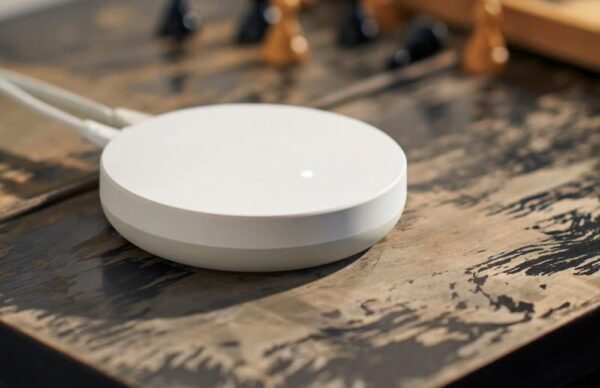
    The world of Marketing Technology (MarTech) is witnessing a major transition with the increasing popularity of voice search and smart speakers. As virtual assistants like Alexa, Siri, and Google Assistant become increasingly prevalent, voice search optimization and audio marketing are emerging as key trends in MarTech. These technologies are dramatically changing the SEO landscape, compelling businesses to adapt their content strategies to this new reality.

    The increasing use of smart speakers is fueling this trend, with B2B buyers increasingly using these devices to research and compare solutions. Come, explore how voice search and smart speakers are shaping the future of MarTech and the impact they have on marketing strategies.

    The Impact of Voice Search and Smart Speakers on Marketing Strategies

    Voice search and smart speakers are rapidly transforming the marketing landscape, compelling organizations to rethink their strategies to engage with consumers more effectively.

    1. Featured Snippets: The New Focus in the Era of Voice Search and Smart Speakers

    With the advent of voice search and smart speakers, there’s a growing focus on featured snippets. These concise answers to user queries, often known as the ‘position zero’ in search results, are more likely to be read aloud by voice assistants. This shift requires businesses to adapt their content strategies to stay relevant. They need to create content that directly answers common questions in their industry, using structured data markup to assist search engines in knowing their content better.

    2. Position Zero: The Prime Real Estate in Voice Search and Smart Speaker Era

    Position zero has gained significant value with the rise of voice search and smart speakers. Achieving this coveted spot in search results ensures visibility, as voice search results typically provide a single answer. This is especially important as more consumers are using voice-enabled devices to help them research purchase decisions. Therefore, brands must vie for this spot by optimizing content for featured snippets.

    3. Local SEO: Amplifying Impact with Voice Search and Smart Speakers

    Voice search and smart speakers are significantly enhancing the value of local SEO. As users depend on voice commands for local searches, businesses must optimize their content to align with natural language queries. This shift necessitates a fresh approach to local SEO, focusing on long-tail keywords and conversational phrases to increase visibility in voice search results.

    Marketing Technology News: MarTech Interview with Jeremy Woodlee, General Manager @ Infillion

    4. Voice Search and Smart Speakers: Emphasizing the Semantics of Searches

    Voice search and smart speakers are shifting the focus towards the semantics of searches. As voice queries tend to be more conversational and longer than traditional text-based searches, digital marketers need to create more intuitive and responsive marketing strategies. This involves placing a greater emphasis on conversational keywords and understanding the semantic meaning of user queries.

    5. Voice Search and Smart Speakers: Capitalizing on Micro-Moments

    Voice search and smart speakers are making micro-moments a priority in marketing strategies. Micro-moments refer to those short, significant moments when people instinctively reach for their phones or devices to quickly find answers to information or make decisions. With the rise of voice-enabled devices, these moments have become more critical touchpoints in a consumer’s decision-making process.

    6. Leveraging AI in the Era of Voice Search and Smart Speakers

    Voice search and smart speakers are amplifying the value of artificial intelligence (AI) in marketing strategies. These technologies enable marketers to analyze vast amounts of data, anticipate consumer behaviors, and refine marketing efforts. By utilizing AI, companies can provide customized content and experiences that deeply connect with their audience. This approach, driven by data, enables companies to make well-informed decisions, accurately spot trend patterns, and understand what their customers prefer.

    7. Voice Search and Smart Speakers: Driving the Mobile-Friendly Revolution in Marketing

    The growing popularity of voice search and smart speakers is fueling the mobile-friendly movement in marketing. As more people use voice search on their mobile devices, it’s essential that websites are responsive and easy to navigate on smaller screens. Moreover, mobile devices have integrated voice search capabilities, enabling users to find information hands-free. Marketers must optimize content for voice queries to stay relevant.

    Conclusion

    Voice search and smart speakers are set to redefine the semantics of search in the coming years. As we transition from text-based to voice-based searches, the focus will shift from keywords to conversational phrases and full sentences. This change reflects a broader shift in the digital landscape towards more natural, human-like interactions.

    The rise of technologies like AI and ML will enable search engines to better understand the context and intent behind these voice queries. They will be able to analyze not just the words used but also the user’s past behavior, location, time of the search, and other factors to deliver more personalized and relevant results.

    This transformation will have profound implications for marketers. They will need to rethink their SEO strategies, focusing more on long-tail keywords and local SEO, and creating content that answers users’ questions directly. The era of one-size-fits-all content is coming to an end, replaced by a more personalized, user-centric approach.

  • MarTech Series’s Marketing Technology Highlights of The Week Featuring Uniphore, Treasure Data, Braze and more in martech!

    MarTech Series’s Marketing Technology Highlights of The Week Featuring Uniphore, Treasure Data, Braze and more in martech!

    Read about the latest in martech, from Uniphore’s new AI powered marketing automation features to Treasure Data’s latest AI suite in this MarTechSeries highlight:

    _________

    Marketing and Marketing Tech Quote-of-the-Week!

    There are some fundamental trends that span decades that drive the market movements we see more clearly. The biggest one I see is the democratization of technology. Very sophisticated technology is now easily accessible by the mid-market. AI is the obvious example, but cloud tech has so far had greater effects, as well as SAAS business models for virtually every aspect of the enterprise. The other big trend is how digital touchpoints abound– email, sites, apps, text messages, ecomm, etc. There are so many data points and marketing opportunities.

    Jeremy Woodlee, General Manager @ Infillion

    Top MarTech News of The Week – 2nd June to 6th June 2025

    Top MarTech Articles on Hyper-personalized Marketing, Email Marketing, Proximity Marketing and more!

    MarTech Q&A of The Week

    Read More

    What does great search look like? Personalization is the name of the game. It’s critical to provide consumers with tailored search experiences while also prioritizing business impact. To achieve this, we must capitalize on the rich data available to us.

    Nate Barad, VP of Product Marketing @ Algolia

    Missed The Latest Episode of The SalesStar Podcast? Have a quick listen here!

    Episode 228: Gamification for Better Sales Orientation with SalesScreen CEO – Sindre Haaland

    Episode 227: Revenue Generation and RevTech Trends: with Latane Conant, CRO at 6sense

    Episode 226: The Future of Mobile-first Ad Experiences with Kunal Nagpal, Chief Business Officer at InMobi Advertising